
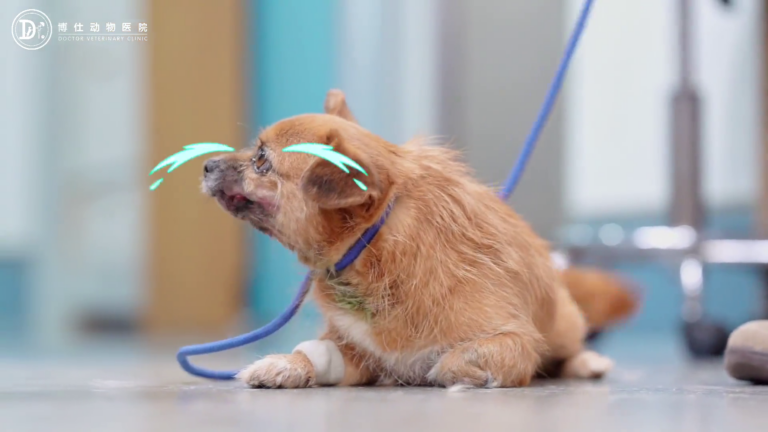
Limb Salvage with a Custom "Super-Alloy" Bionic Prosthesis in a Dog with Radial Nerve Paralysis: Susie’s Story
In clinical practice, canine radial nerve paralysis almost always ends with the same grim verdict: high-limb amputation. When the radial nerve fails, the dog loses extensor tone, leaving the paw to drag and knuckle across the ground until chronic friction causes relentless ulceration and deep infection. That was the exact crossroads facing Susie, a little dog brought to me after being scheduled for amputation. Unwilling to accept losing her forelimb if a viable engineering alternative existed, I designed and implanted a custom "super-alloy" bionic endo-exo prosthesis tailored specifically to her skeletal anatomy. Today, Susie is walking comfortably on her new bionic leg, free of pain and infection, proving that customized bionic limb salvage is a realistic, life-changing reality in small animal surgery.

Custom 3D-Printed Biological Total Knee Arthroplasty (TKA) in a Dog: Clinical Case and 2.5-Month Outcome
In this case, I document what was the first reported biological canine total knee arthroplasty (TKA) using custom 3D-printed implants and disposable patient-matched instrumentation in China. The patient, a 25 kg Husky, suffered from end-stage osteoarthritis and severe meniscal damage triggered by chronic cranial cruciate ligament rupture. Facing a complete lack of off-the-shelf knee prostheses suited to this dog, my surgical team at Guangzhou Boss Animal Hospital collaborated with Associate Professor Zhang Jun and the materials engineering team at the Guangdong Academy of Sciences. Together, we designed and 3D-printed a cementless CoCrMo/porous titanium/Vitamin E-stabilized polyethylene implant system. Following 1:1 benchtop simulation, we successfully placed the prosthesis. By day one post-op, the dog was weight-bearing without pain; at 2.5 months, he was galloping freely off-leash across the grass.