1. The Accusation of "Useless Pursuits"
There is an old, affectionate joke often directed at men: Once a man has enough food in his stomach, his greatest joy is chasing things that are abstract, high-minded, and completely and utterly useless.
Is that really true?
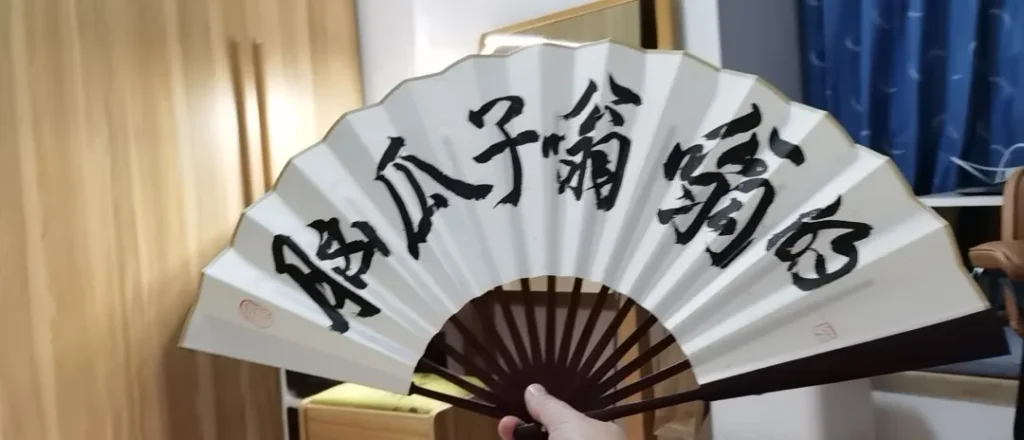
Whenever I look at my life away from the hospital, I have to smile. Ever since I was a boy growing up in Guangzhou, I have been consumed by a relentless curiosity about the physical world. I participated in every summer camp, sports team, and art class I could get my hands on—spending years practicing traditional calligraphy, landscape painting, and sports. That instinctive need to dismantle a subject, figure out its hidden rules, and master it has never faded.
In fact, for me, veterinary orthopedic surgery has never felt like a routine job. It is simply an extension of this lifelong obsession: an unforgiving, hands-on craft where mechanical principles meet living biology.

2. From Crystal Lattices to Mechanical Escapements
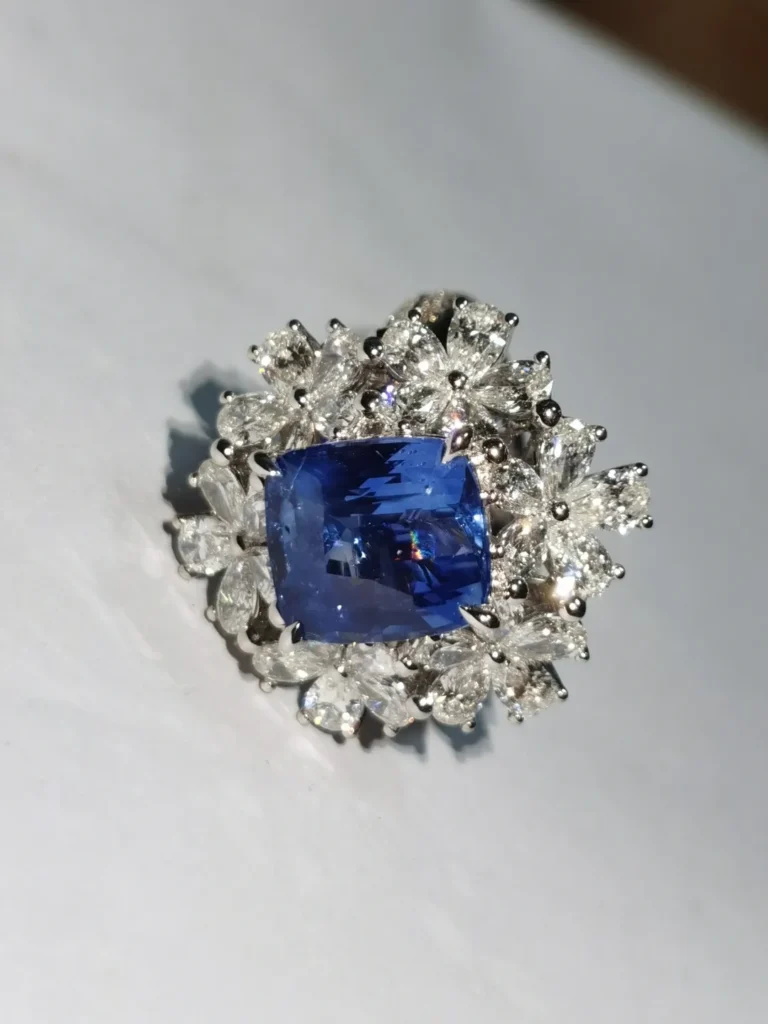
Years ago, I found myself fascinated by minerals and gemstones. I didn’t just want to look at pretty rocks or buy jewelry; I wanted to understand mineralogy, crystal symmetries, refractive indices, and geological inclusions from a scientific standpoint.
So, I did what I always do: I bought the textbooks, put in the study hours, sat for the national examinations, and qualified as a certified National Gemstone Appraiser and Senior Jewelry & Jade Appraiser. I spent quiet evenings studying raw stones under a gemological microscope, decoding nature’s slow, pressurized art.
Naturally, that fascination with precision tolerances soon migrated into micro-mechanics—specifically, mechanical watches.
I became obsessed with the internal architecture of timepieces: how mainspring torque is regulated through an escapement, how gear trains transfer rotational energy, and how hand-beveled bridges are finished to micron tolerances. Holding a loupe to inspect a balance wheel vibrating at 28,800 beats per hour felt remarkably familiar. Aligning an orthopedic locking plate or broaching a femoral canal under surgical loupes requires the exact same psychological mindset: absolute reverence for structural logic and zero tolerance for sloppy tolerances.

3. The Hunting Instinct: From Riverbanks to 30-Meter Depths
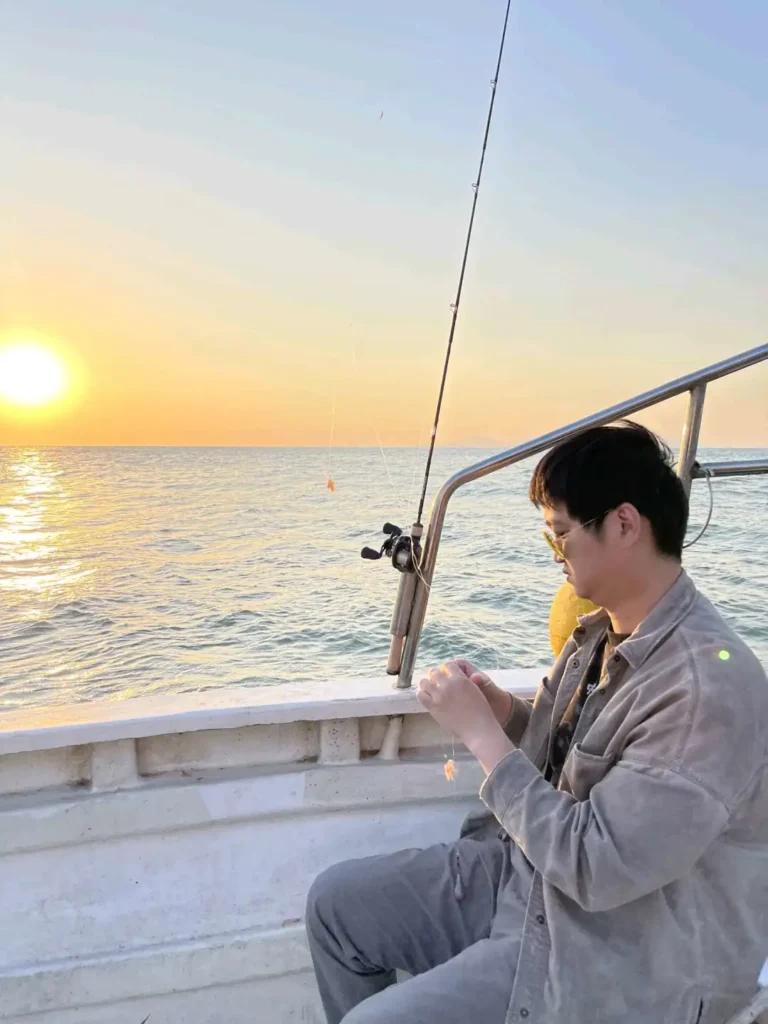
My love for fishing started innocently when my father took me along riverbanks as a boy. But over the years, casual weekend fishing evolved into a structured study of aquatic biology and hydrodynamics. I progressed from traditional Chinese cane poles to Taiwan-style float angling, and eventually to lure casting (lure fishing) and offshore deep-sea fishing. Reading currents, tidal shifts, thermoclines, and predatory fish behaviors taps straight into an ancient, hardwired hunting instinct that modern office life usually suppresses.
Inevitably, staring at the ocean surface wasn't enough. I wanted to see what was happening underneath.
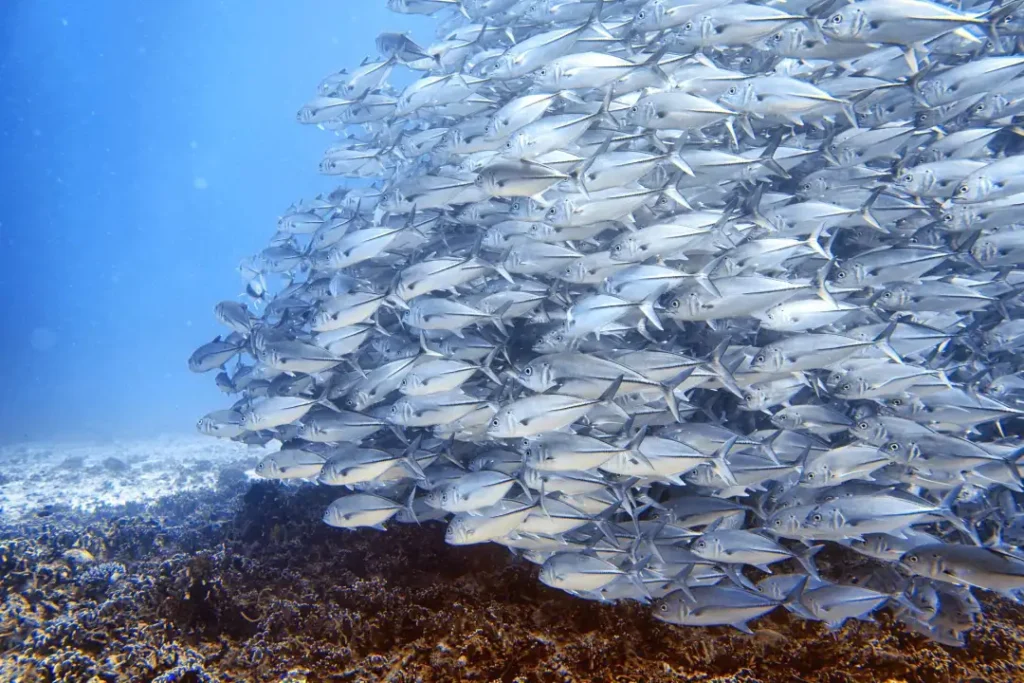
I dove headfirst into scuba diving, systematically ticking off certifications across the entire PADI continuum: Open Water, Advanced Open Water, Enriched Air Nitrox, Rescue Diver, Deep Diver, and ultimately PADI Dive Master. At that point, the only credential left on the recreational tree was instructor.
Yet, as much as I loved diving, wearing heavy twin tanks, a buoyancy compensator, and breathing through a regulator began to feel like an artificial barrier between me and the deep. So I turned to freediving.
Stripping away the gear and relying solely on your own lungs requires intense mental and physiological discipline. I trained my mammalian dive reflex, earning my Level 1 and Level 2 freediving credentials. Through systematic breath-hold training, I reached a static apnea of over 4 minutes and comfortable, unassisted single-breath descents past 30 meters depth.
(And because life is short and curiosity takes funny turns, along the way I somehow ended up certified with a Freediving Mermaid Specialty—a fact that my surgical team at Guangzhou Boss Animal Hospital still loves to tease me about!)


4. Deep Time: Staring Across Millions of Light-Years
Over the last five years or so, my spare nights have been claimed by an even older obsession: the night sky.
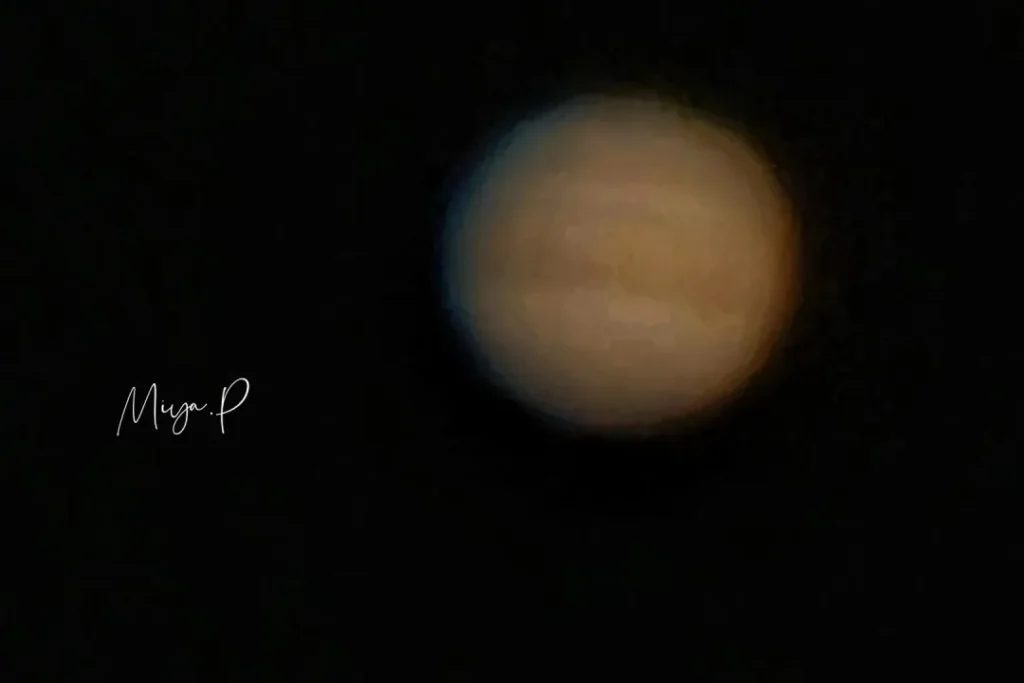
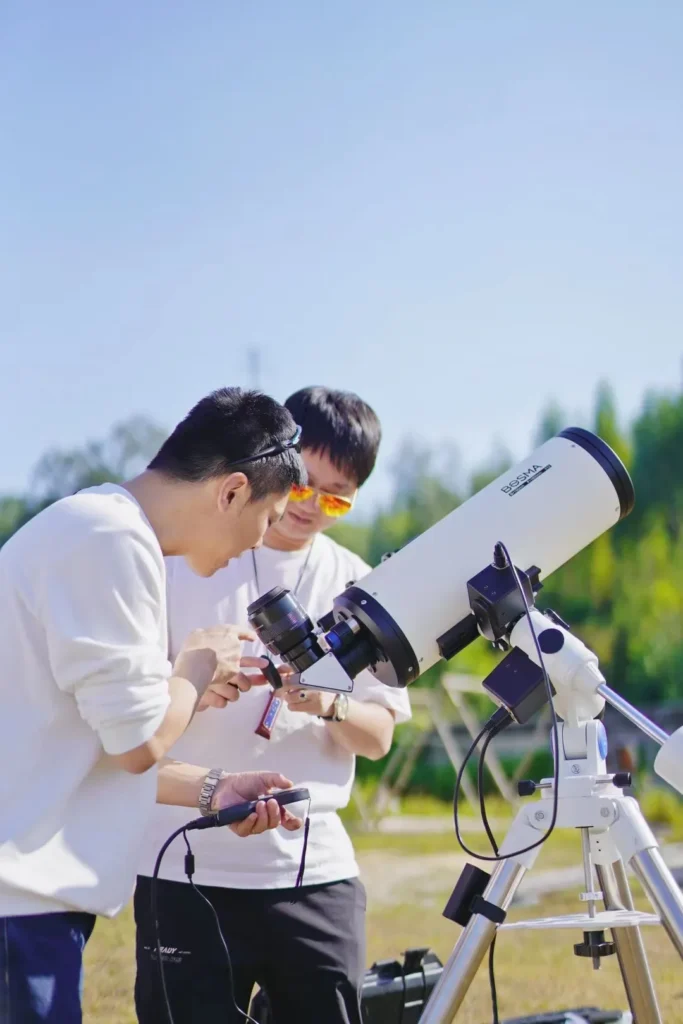
Like many amateur stargazers, I started with wide-field binoculars. Soon, that wasn't enough, so I acquired a Maksutov-Cassegrain 150/1800 catadioptric scope to study lunar rilles, Jupiter's atmospheric belts, and Saturn's rings. I hooked a DSLR to the visual back to photograph the core of the Orion Nebula. But visual telescopes only show you what the human eye can process in real-time.
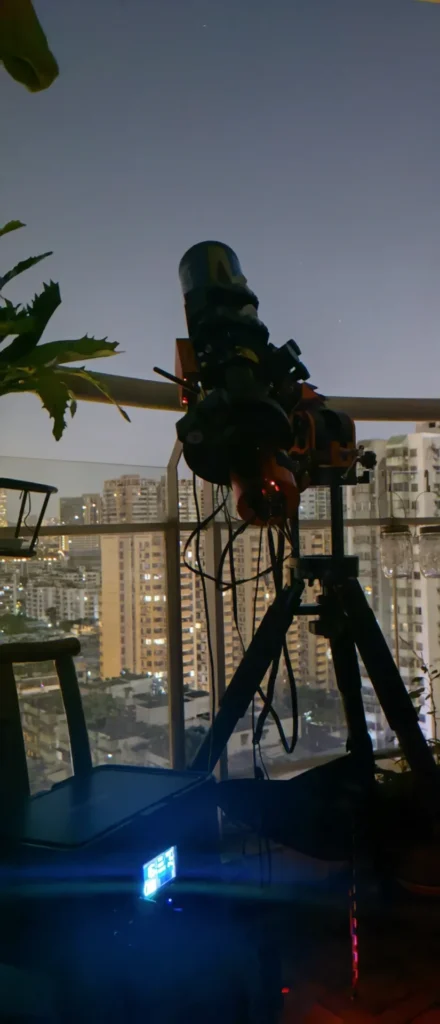
To reveal what is truly out there, I moved into deep-sky astrophotography. I built a dedicated rig around a Sky Rover apochromatic triplet refractor, an equatorial harmonic mount, electronic filter wheels, and a cooled monochrome CMOS camera running sub-zero to eliminate thermal sensor noise.
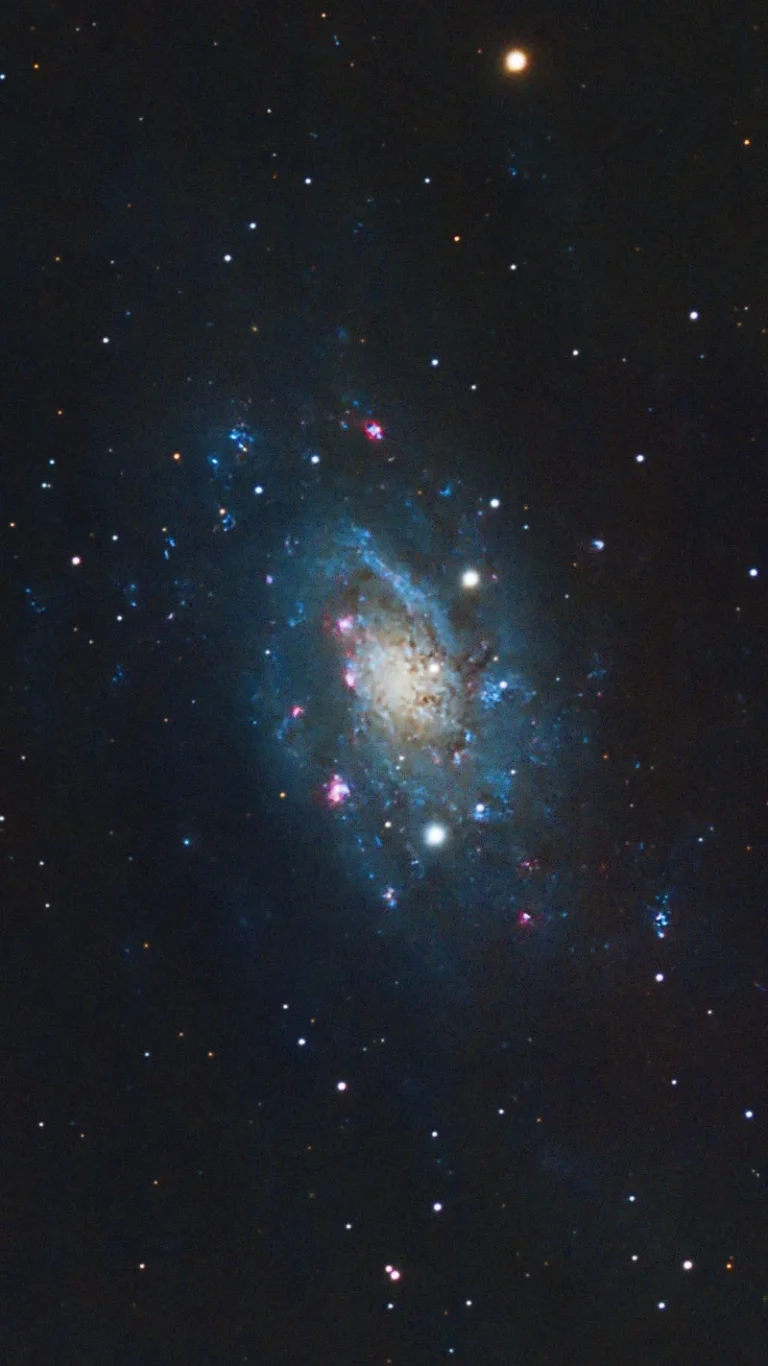
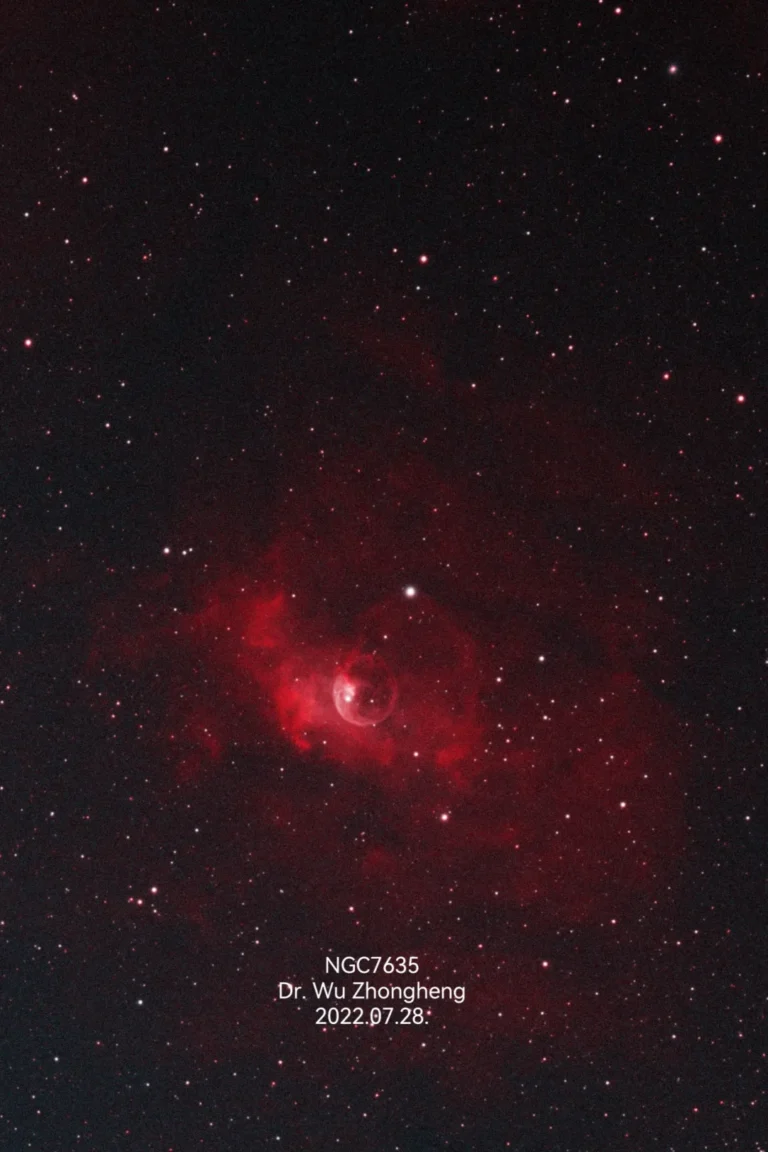
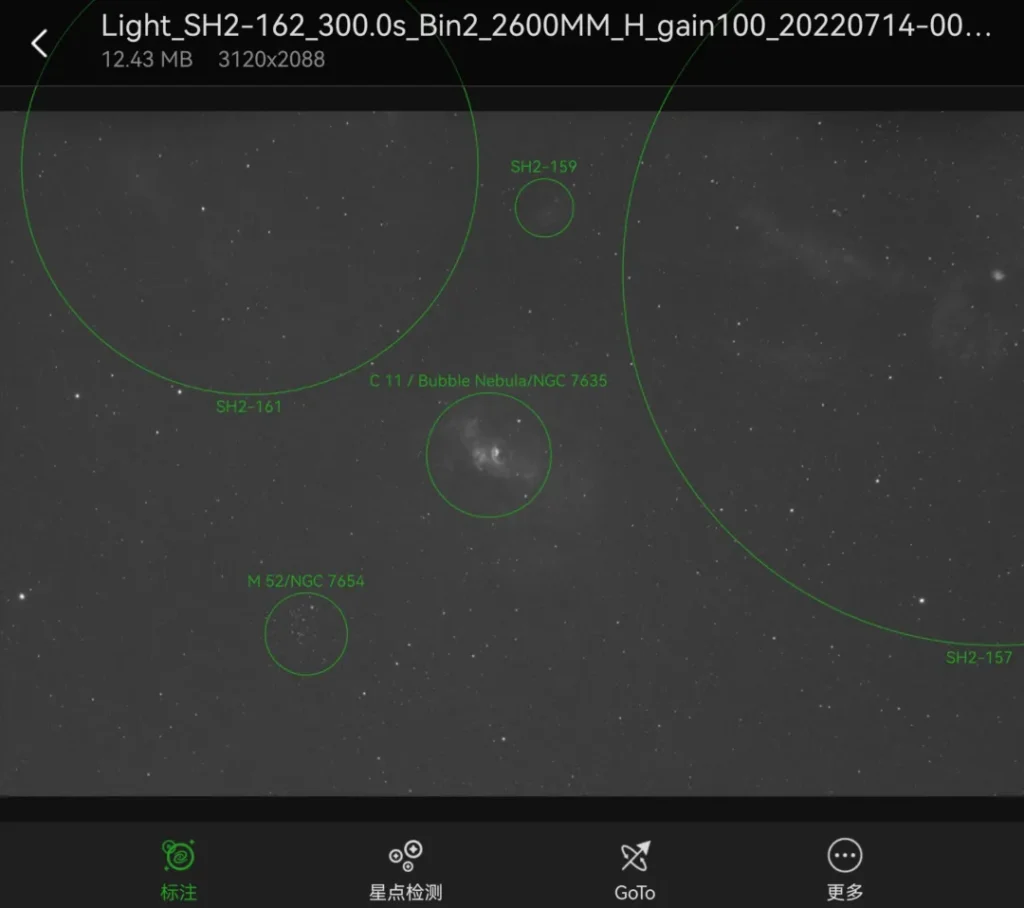
Spending 18 hours across multiple nights on my light-polluted urban balcony, fighting streetlamp glare with 3nm narrowband filters to reveal the delicate shockwaves of the NGC 7635 Bubble Nebula, or stacking over a thousand frames to extract the ancient spiral arms of NGC 2403 from eight million light-years away, is an experience that defies easy explanation.

5. Why the "Useless" Matters
So, why do we do it?
Why spend thousands of hours and substantial resources on things that produce no financial profit, no career advancement, and no utilitarian ROI? Why examine gemstones, calibrate mechanical movements, hold your breath in the dark quiet of thirty meters of water, or freeze on a drafty balcony tracking photons that left their stars before the dawn of humanity?
Because to me, true happiness is never found skimming across the surface of life.
Whether I am calculating the load distribution and press-fit friction of a titanium dual-mobility hip cup, trimming an osteotomy down to the exact millimeter, floating motionless in the silent blue of the sea, or watching an emission nebula emerge from mathematical noise on my computer screen, the underlying rhythm is identical.
Stars, planets, nebulae, black holes, gravitational waves, quantum mechanics, and the biological osseointegration of bone are all written in the same fundamental language of physics.
When you follow your curiosity without worrying about whether it is "useful"—when you push through the steep learning curves until you truly understand the deep mechanics of a subject—you tap into something primal, joyful, and profoundly human.
That is the joy of men. It may be hard for some to understand, but to me, it is the only way to live.