
Bone Ingrowth vs. Acrylic Glue: Why Biological Total Hip Replacement Is the Definitive Choice for Cats and Small Dogs
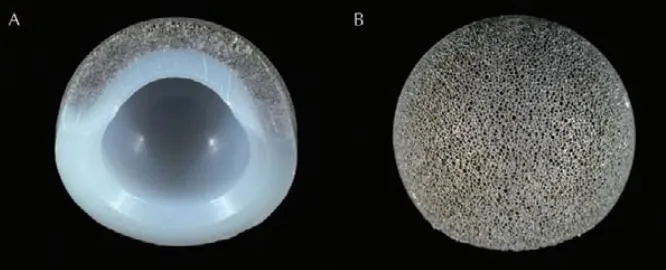
A dangerous myth has circulated in veterinary orthopedics for decades: that delicate, lightweight patients like cats and toy-breed dogs are "adequately served" by 1970s-era acrylic bone cement. Having performed both cemented and cementless procedures over my twenty-three-year career—and having revised far too many loose, infected cement mantles—my clinical conviction is absolute. Bone cement is an inert mechanical grout that never achieves biological fusion; worse, its exothermic curing risks thermal necrosis and Bone Cement Implantation Syndrome (BCIS). Given that cats and small dogs routinely live 15 to 20 years and generate extreme multi-body-height jump forces, relying on a 1 mm plastic mantle is a ticking biomechanical time bomb. Biological 3D-printed titanium implants that achieve true living osseointegration—paired with anti-dislocation dual-mobility articulation—are the only responsible choice. Over the past seven years and through my journey past 1,000 joint replacements, my operating room has maintained an uncompromising 100:1 ratio of biological to cemented hips. Here is the unvarnished science behind that decision.