1. Tragedies Close to Home: The Cost of a Regulatory Vacuum
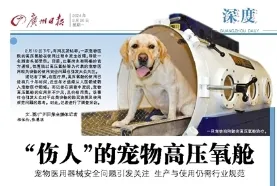
In early 2024, severe safety accidents involving veterinary medical hardware triggered widespread shock and outrage across China, leaving clinicians, manufacturers, and pet owners in a state of profound anxiety.
For me, the grief was intensely personal.
The tragedy did not happen in some distant city to strangers; it occurred right here in our local community, and one of the victims was a pet owner who had previously brought her beloved companion through the doors of my hospital.
Watching that avoidable nightmare unfold left a heavy, suffocating weight on my chest. For weeks, the atmosphere in our clinic was somber.
The incident exposed a brutal truth that our profession could no longer ignore: small animal healthcare in China had grown exponentially in commercial scale, but the technical and regulatory infrastructure governing veterinary medical devices had lagged far behind. When surgical hardware is manufactured, sold, and implanted without standardized baselines, the line between bold clinical innovation and reckless compromise becomes dangerously blurred.
2. Operating in the Fog: Why Surgeons Need Rigid Baselines
As surgeons, we take an oath to protect the animals and families who place their trust in our hands. But here is the hard reality from the operating table: surgical skill alone cannot compensate for bad metal.
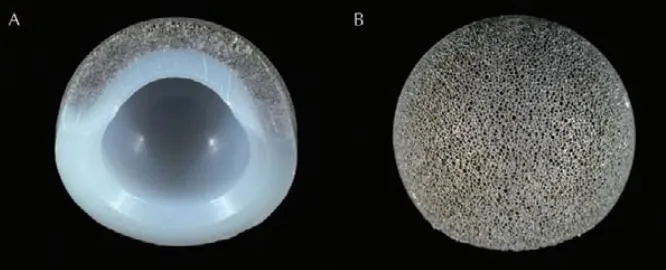
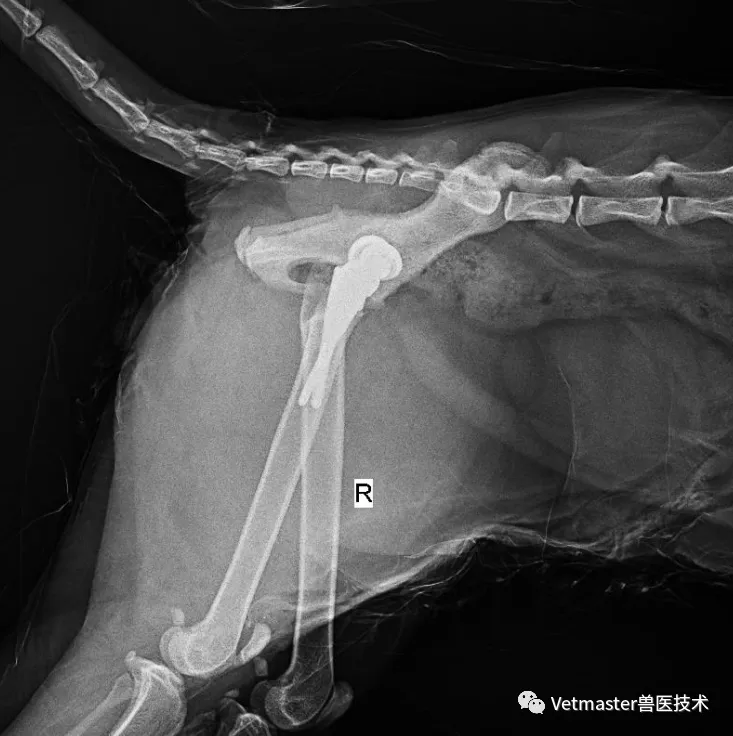
In my core specialty—small animal Total Hip Replacement (THR)—the mechanical demands placed on hardware are extreme. An artificial hip in an athletic dog must absorb dynamic forces several times the animal’s body weight across tens of millions of gait cycles. If a femoral stem sheds plasma-sprayed titanium particles, if a 3D-printed porous lattice lacks fatigue resistance, or if an acetabular liner oxidizes and degrades, the result is catastrophic: aseptic loosening, osteolysis, severe tissue metallosis, and bone fracture.
Without unified, enforceable manufacturing standards, veterinary surgeons in China were effectively operating inside a dense fog. We were left to evaluate implant tolerances, biomaterial purity, and fatigue limits based on trust, personal trial-and-error, or vendor marketing claims.
As one of the earliest clinicians in mainland China to routinely perform total hip replacements, I realized years ago that standing on the sidelines waiting for top-down national regulations was no longer acceptable. If we wanted to clear the fog, we had to lay down the stones ourselves.
3. Forging a Benchmark: The Birth of T/GDAAV 1011—2024
To build a definitive safety baseline for animal joint surgery, Guangzhou Vetmaster Veterinary Technology took the initiative to mobilize an unprecedented coalition of clinical, academic, and material engineering institutions:
- Guangzhou Boss Animal Hospital (our clinical research and surgical base);
- Shenzhen YY United Pet Orthopedic Hospital;
- Institute of New Materials, Guangdong Academy of Sciences;
- College of Veterinary Medicine, South China Agricultural University (SCAU);
- Guangdong Polytechnic of Science and Trade;
- Guangdong Agriculture-Industry-Business Vocational College;
- Leading partner veterinary surgical hospitals nationwide.
We brought together over a decade of clinical failure-mode analyses, revision case data, 3D metal printing metallurgical testing, and biomechanical stress simulations.
Through the Guangdong Society of Animal Husbandry and Veterinary Medicine, we officially released T/GDAAV 1011—2024: Implants for Surgery — Technical Specification for Veterinary Hip-Joint Replacement Implants.
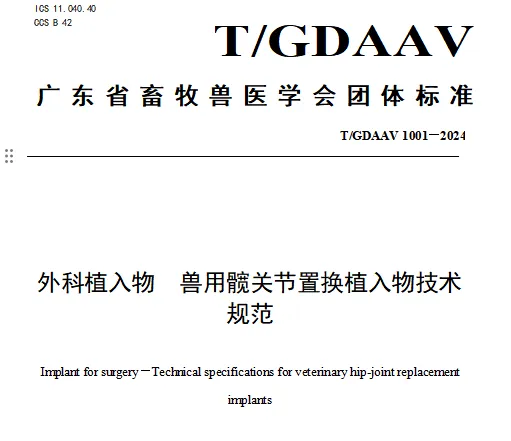
This document represents the first systematic group standard of its kind in China. It establishes strict, measurable thresholds across the entire lifecycle of an artificial hip:
- Chemical purity and mechanical fatigue thresholds for 3D-printed titanium alloy (Ti6Al4V ELI) and cobalt-chromium-molybdenum (CoCrMo) alloys;
- Micro-porous structural sizing and interconnectivity required for true biological osseointegration;
- Dimensional tolerances and wear-resistance protocols for medical-grade ceramic heads and Vitamin E-stabilized highly cross-linked polyethylene (VE-UHMWPE) acetabular liners;
- Rigid sterilization, packaging integrity, and post-market tracking standards.
4. The Long Road Ahead: "吾将上下而求索"
Formulating and enacting T/GDAAV 1011—2024 was not the finish line; it was our opening salvo against industry chaos.
There is an ancient Chinese verse from Qu Yuan's Li Sao that has guided my entire career:
"路漫漫其修远兮,吾将上下而求索"(Long and arduous is the journey ahead, yet I will seek and explore without end.)
Our ultimate objective is to work alongside industry bodies to elevate these technical specifications into binding national standards. We want an industry where clinical decisions are governed by verified science rather than commercial rhetoric, where manufacturers compete on genuine engineering quality rather than cut-rate corners, and where young veterinarians never have to second-guess the integrity of the plate or stem in their hands.
When medical practice is anchored in verifiable standards, doctors can scrub into surgery with unwavering confidence, and pet owners can finally find genuine peace of mind.
That is the standard of care our patients deserve—and we will continue working every day to defend it.