
Clinical Report and Reflections on IVDD and Multiple Skeletal Deformities in a French Bulldog
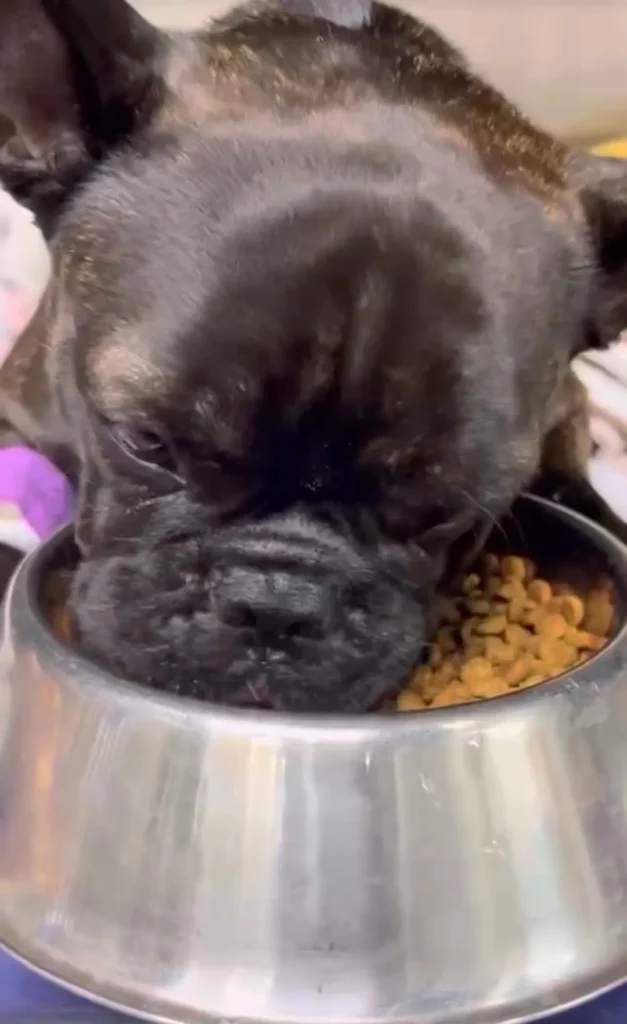
This report documents a clinical case involving a French Bulldog presented with hind limb locomotive dysfunction. Initially suspected of having hip issues, systematic neurological examination and CT analysis identified T13-L1 intervertebral disc protrusion with significant spinal cord compression as the primary pathology. Concurrent anatomical abnormalities, including hemivertebrae, spinal curvature issues, and hip dysplasia, were also identified. locomotive function was successfully improved following a hemilaminectomy. This case highlights the necessity of differential diagnosis in breeds with multiple hereditary defects and reflects on the profound impact of selective breeding on animal health.
Clinical Report: Total Knee Replacement (TKA) for Severe Degenerative Joint Disease in a Doberman Pinscher with Technical Insights
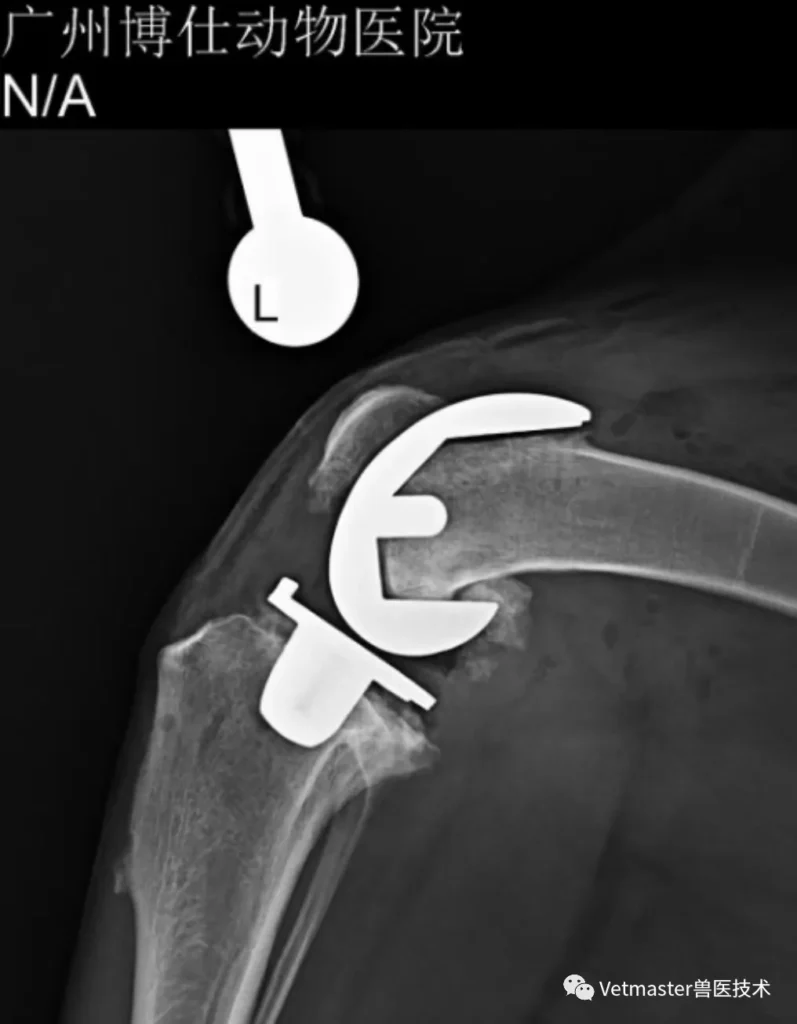
This report documents the clinical management of a 6-year-old Doberman Pinscher suffering from end-stage knee osteoarthritis secondary to a chronic cruciate ligament rupture. The patient underwent treatment using the independently developed Vetmaster biological dual-mobility Total Knee Replacement (TKA) system at Guangzhou Boshi Animal Hospital. The case was characterized by long-term recurrent lameness and extensive articular hyperplasia. Through digital preoperative planning and precise surgical maneuvering, the medical team successfully reconstructed the damaged joint. The author notes that for complex cases involving severe osteophytes and cartilage erosion, TKA serves as the definitive solution superior to traditional stabilization procedures.
Case Report: Swiss KYON Patellar Groove Replacement (PGR) for a Pomeranian with Severe Trochlear Osteoarthritis
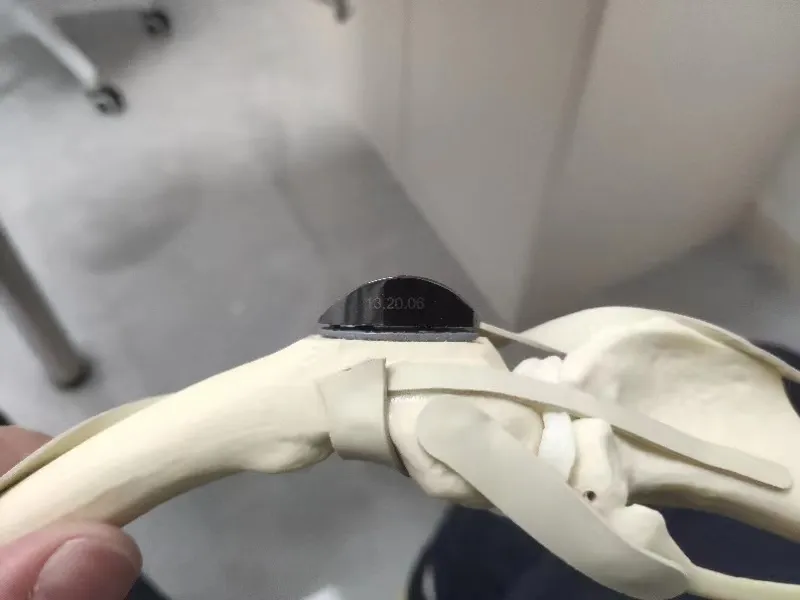
This report documents the clinical management of a 4-year-old Pomeranian suffering from irreversible trochlear groove wear and hyperplasia due to chronic patellar luxation. The patient presented with Grade 3 patellar luxation and pronounced articular crepitus. By implementing Patellar Groove Replacement (PGR) using a Swiss KYON prosthesis, the damaged articular friction surface was successfully reconstructed. Postoperative evaluation confirmed smooth joint motion. The author emphasizes that patellar luxation requires early surgical intervention to prevent irreversible cartilage damage and highlights the definitive clinical value of PGR in treating severe trochlear osteoarthritis.
Case Report: Patellar Groove Replacement (PGR) for Chronic Patellar Luxation with Severe Osteoarthritis in a Pomeranian
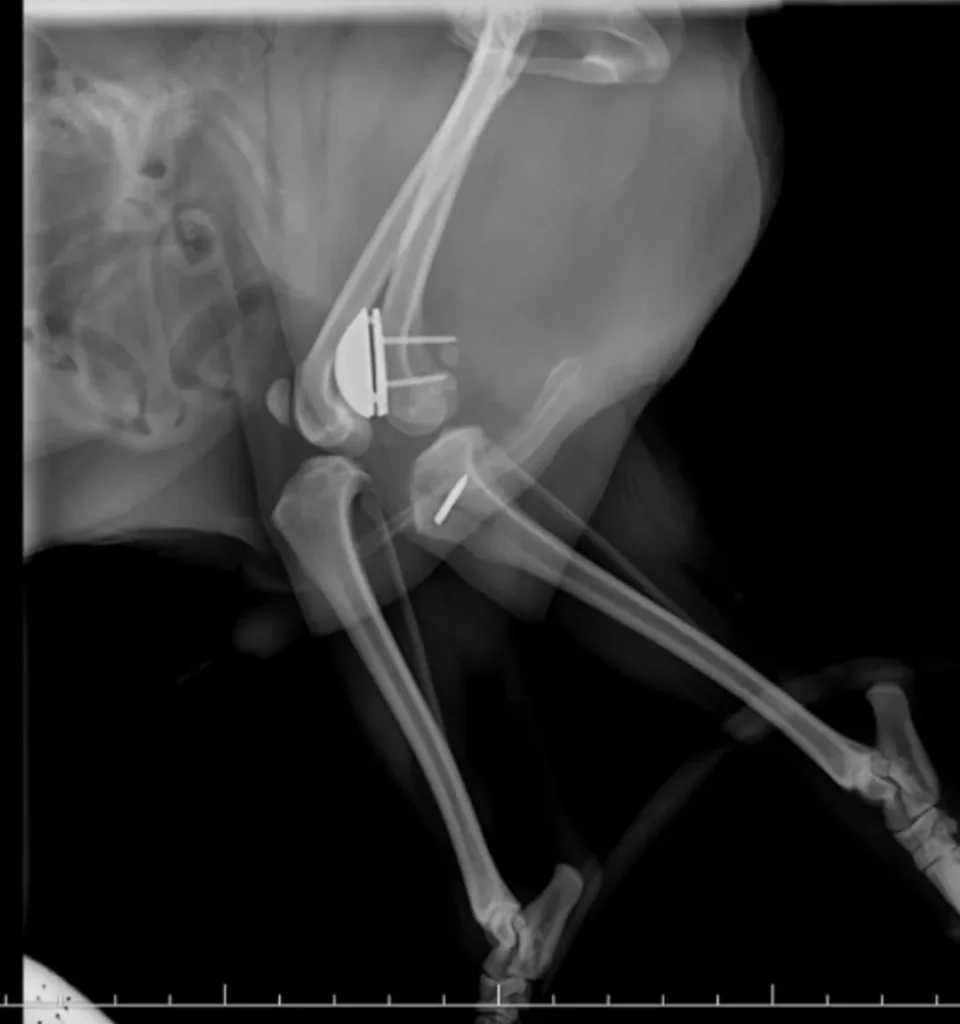
This report documents the clinical management of a 4-year-old Pomeranian suffering from irreversible knee osteoarthritis secondary to chronic patellar luxation at Shanghai Chongboshi General Animal Hospital. The patient presented with Grade 3 bilateral medial patellar luxation, with radiographs showing significant subchondral sclerosis and hyperplasia in the trochlear groove. By performing Patellar Groove Replacement (PGR), the worn articular surface was replaced with a smooth metal prosthesis, successfully restoring joint locomotive function. This case emphasizes the importance of early intervention for patellar luxation to prevent progression to a stage requiring joint surface replacement.
Application of DPO in Juvenile Canine Hip Dysplasia: Early Correction Report in a Golden Retriever
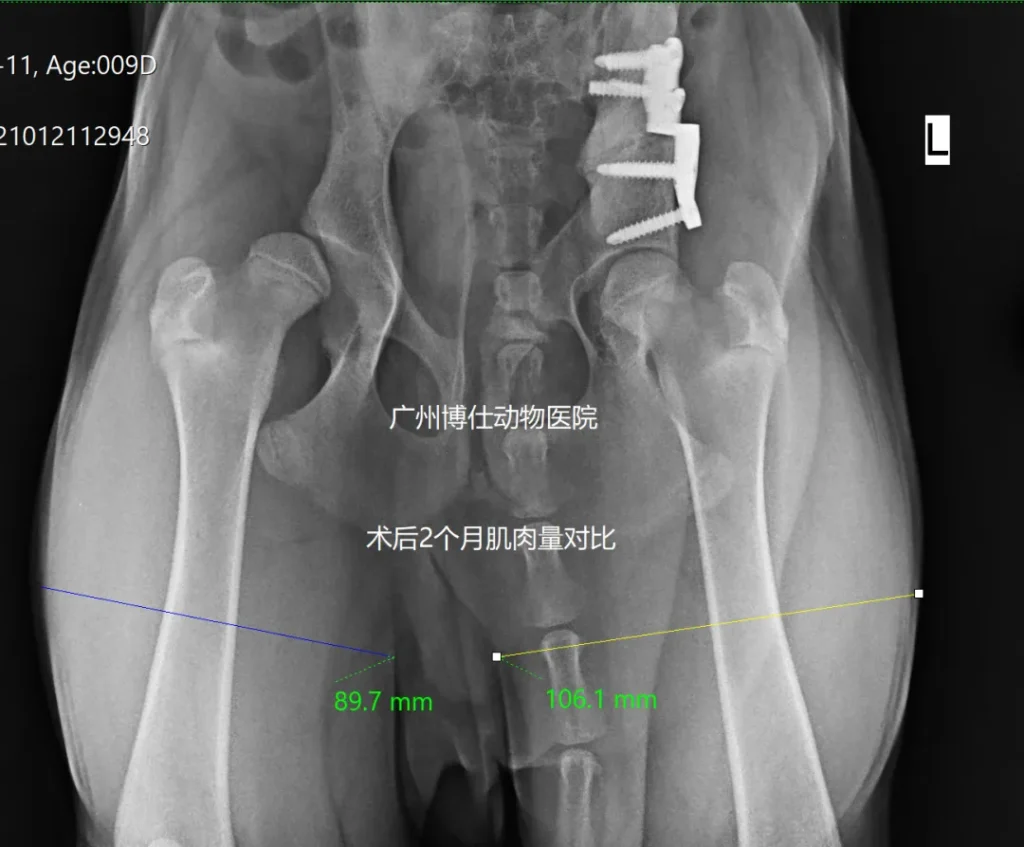
This report documents the management of a 6-month-old Golden Retriever puppy with hip dysplasia treated via Double Pelvic Osteotomy (DPO). Preoperative assessment using the Distraction Index (DI) and angulation measurements identified the indications for surgery, specifically for the left hip. Two months post-surgery, radiographs showed significantly increased acetabular coverage, and muscle mass on the operated limb was 20% greater than the non-operated side. The case highlights the critical role of early screening and preventive surgery in preserving the native joint.
The Clinical Significance of DPO: Early Correction of Hip Dysplasia and Limb Alignment Reconstruction in a Puppy
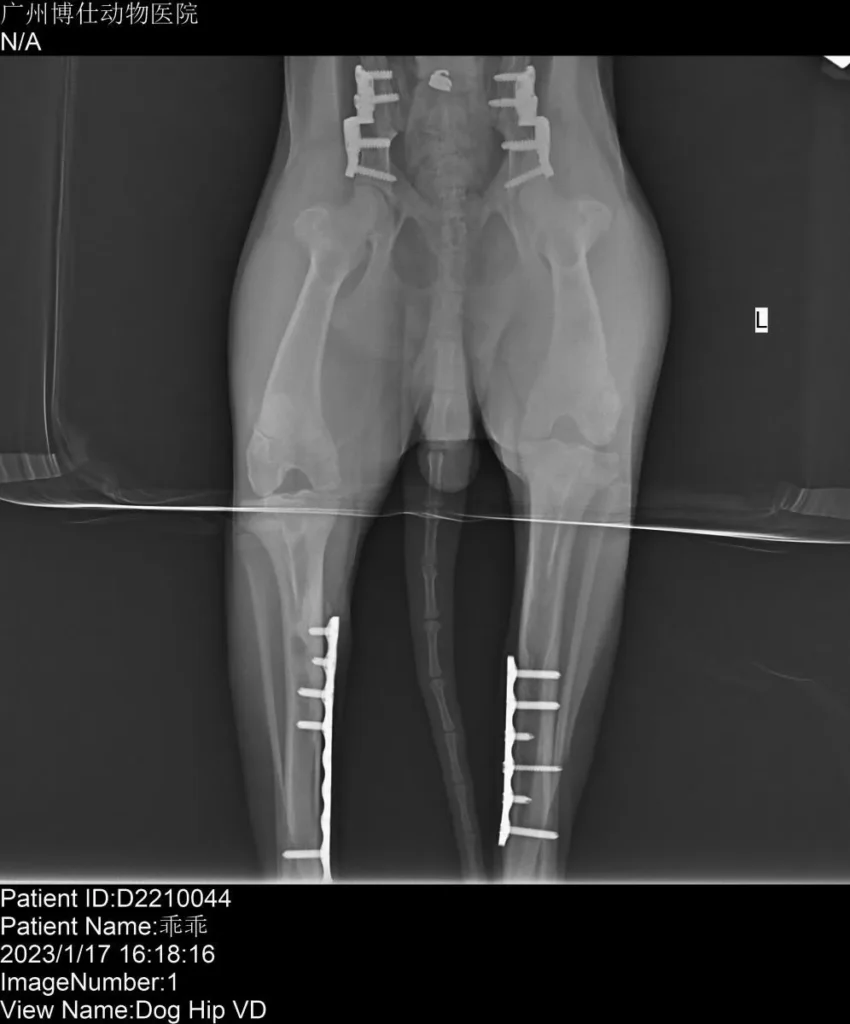
This report documents the clinical management of a 6-month-old puppy presenting with severe joint laxity due to hip dysplasia and concurrent hind limb external rotation (out-toeing). By implementing Double Pelvic Osteotomy (DPO) in combination with a distal tibial osteotomy, the surgical team successfully restored acetabular coverage and corrected the mechanical axis of the limbs. A three-month follow-up confirmed the efficacy of this approach in preserving the native joint and arresting disease progression. The case underscores the critical value of early diagnosis in veterinary orthopedics.
Final Revision of a Quadruple Post-Operative Luxation via Dual-Mobility Hip System in a Border Collie
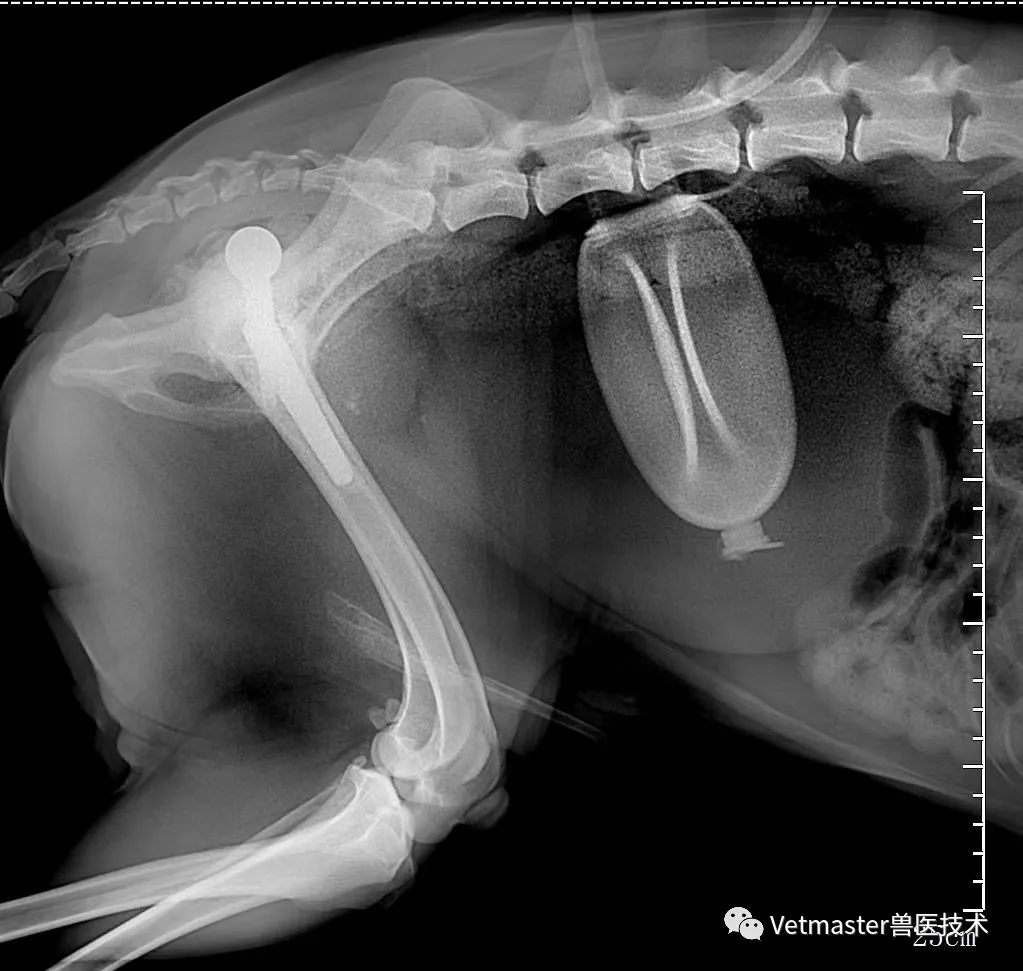
This report documents an extreme clinical case of a 5.5-year-old Border Collie that experienced four failed hip replacement and revision attempts at another facility. Due to repeated surgical traumas, the patient suffered from severe local soft tissue damage and muscle atrophy, leading to habitual dorsal luxation. After referral to Guangzhou Boshi Animal Hospital, the medical team utilized a Vetmaster biological dual-mobility total hip system combined with artificial ligament reconstruction. The final revision successfully resolved the chronic luxation, restoring the patient’s normal weight-bearing and locomotive functions.
Case Report on Biological Revision of a Loosened Cemented Total Hip Replacement in a Shiba Inu
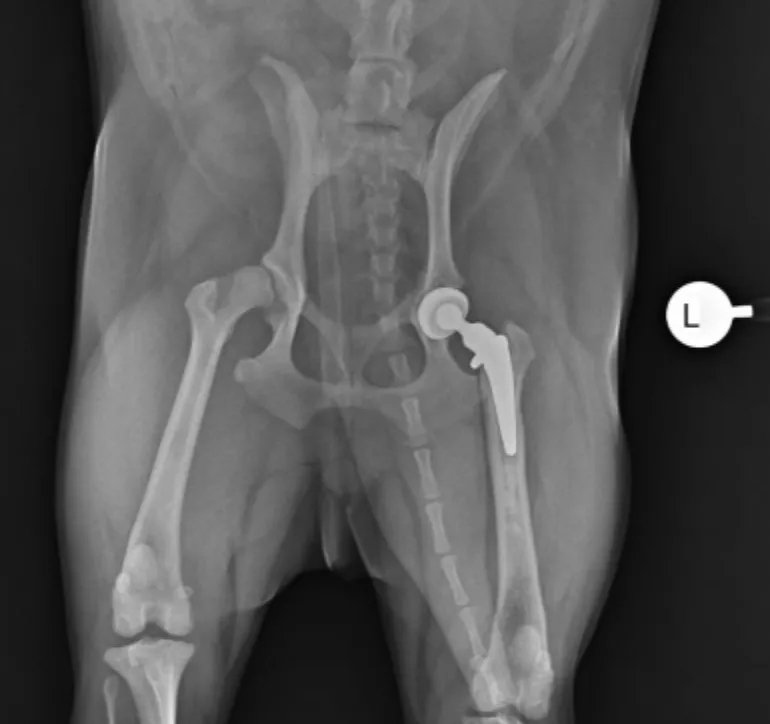
This report describes the clinical management of a Shiba Inu presenting with recurrent pain following a cemented Total Hip Replacement (THR) performed at another institution. Radiographic evaluation revealed a radiolucent zone around the femoral stem, cortical bone resorption, and periosteal reaction, indicating implant loosening. After referral to Guangzhou Boshi Animal Hospital, the failing cemented implant was removed and revised using a Vetmaster biological dual-mobility hip system. A two-month postoperative follow-up demonstrated stable implant fixation and significant recovery of muscle mass, validating the efficacy of biological prostheses in complex revision cases.
Application of Custom Super Alloy Bionic Prosthesis in a Canine Patient with Radial Nerve Paralysis: The Case of Susie
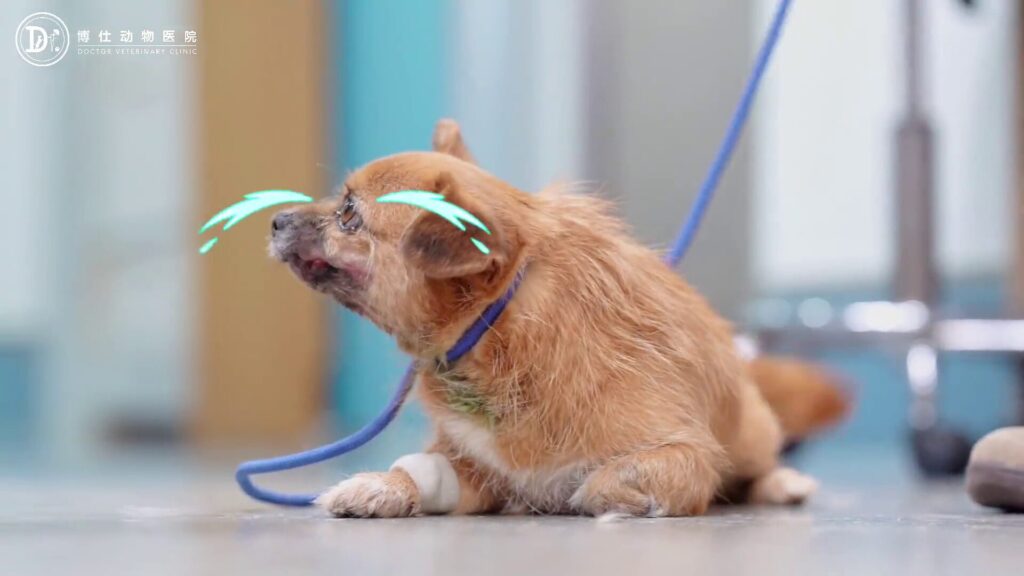
This report documents the clinical management of Susie, a dog suffering from radial nerve paralysis that led to forelimb dysfunction and severe distal limb infection. Facing the prospect of total amputation, Dr. Wu Zhongheng designed and implemented a custom super alloy bionic prosthesis. Postoperative follow-ups showed that the patient successfully regained walking functionality. This case demonstrates the feasibility of customized bionic implants in addressing complex limb deficiencies in small animals.
Clinical Report on Sequential Bilateral Total Hip Replacement in a British Shorthair Cat
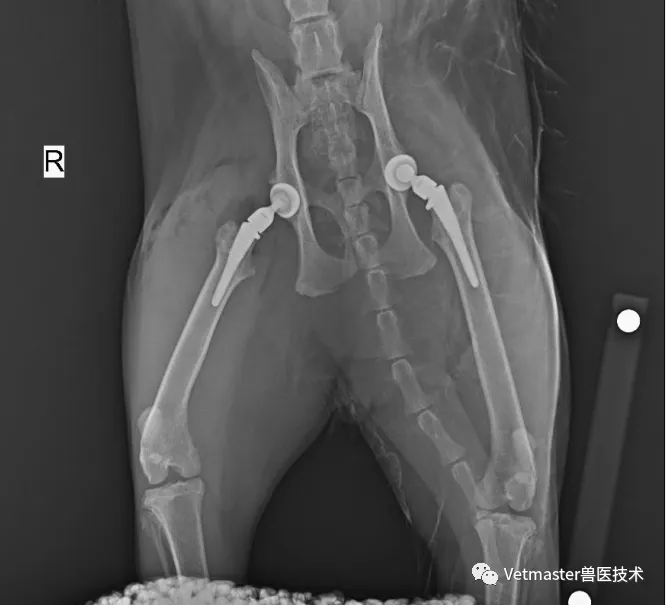
This report describes the case of a 2-year-old male British Shorthair cat presenting with severe lameness and joint wear caused by bilateral hip dysplasia (CHD). Due to the failure of conservative management, the patient underwent sequential bilateral total hip replacement (THR). The surgeries utilized biological implants and a dual-mobility head system to accommodate specific feline skeletal morphology and high-activity requirements. Postoperative follow-ups demonstrated excellent restoration of mobility, validating the clinical efficacy of staged bilateral THR for severe feline joint disease.