
1. Clearing the Fog: The Basic Logic of Two Approaches
1.1 Cemented THR: Like an Adhesive from a Hardware Store
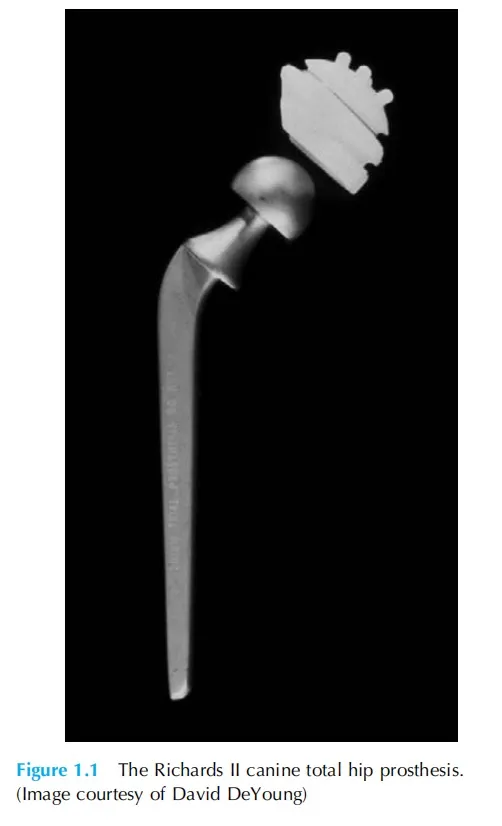
Cemented hip replacement was highly popular in the 1970s. It utilizes a plastic material called bone cement, which functions similarly to AB glue found in hardware stores. Liquid is mixed with plastic powder, generating heat as it hardens to bond the bone and the implant. Its stability relies entirely on the volume and adhesion of the cement, but it has a fatal flaw: it does not engage in real "communication" with the bone, meaning there is no biological integration.
1.2 Biological THR: Symbiosis Between Bone and Implant
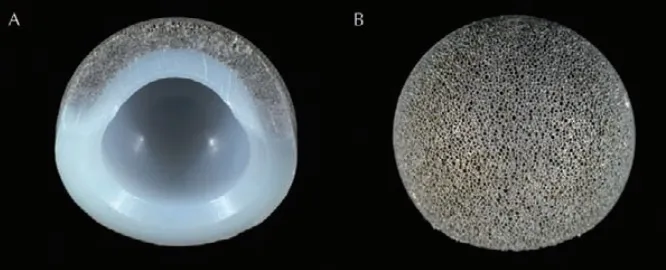
Biological THR is the method preferred by most modern surgeons. The implant surfaces feature a sophisticated porous structure. During surgery, initial stability is achieved through a "press-fit" mechanism, while ultimate stability is reached as the bone gradually grows into these pores, creating a true symbiosis. Although this process is more complex and costly, requiring high precision in surgical technique, its long-term durability is vastly superior.
2. Hidden Dangers and Complications of Bone Cement
2.1 The Unavoidable "Bone Cement Syndrome"
The use of bone cement carries the risk of Bone Cement Implantation Syndrome (BCIS), a phenomenon that keeps anesthesiologists on high alert. It manifests as intraoperative hypotension, arrhythmia, and can even lead to diffuse pulmonary microvascular embolism or cardiac arrest. This may be caused by the toxicity of cement monomers or high intramedullary pressure, posing a significant threat to elderly or fragile patients.
2.2 Thermal Damage and Physical Loosening
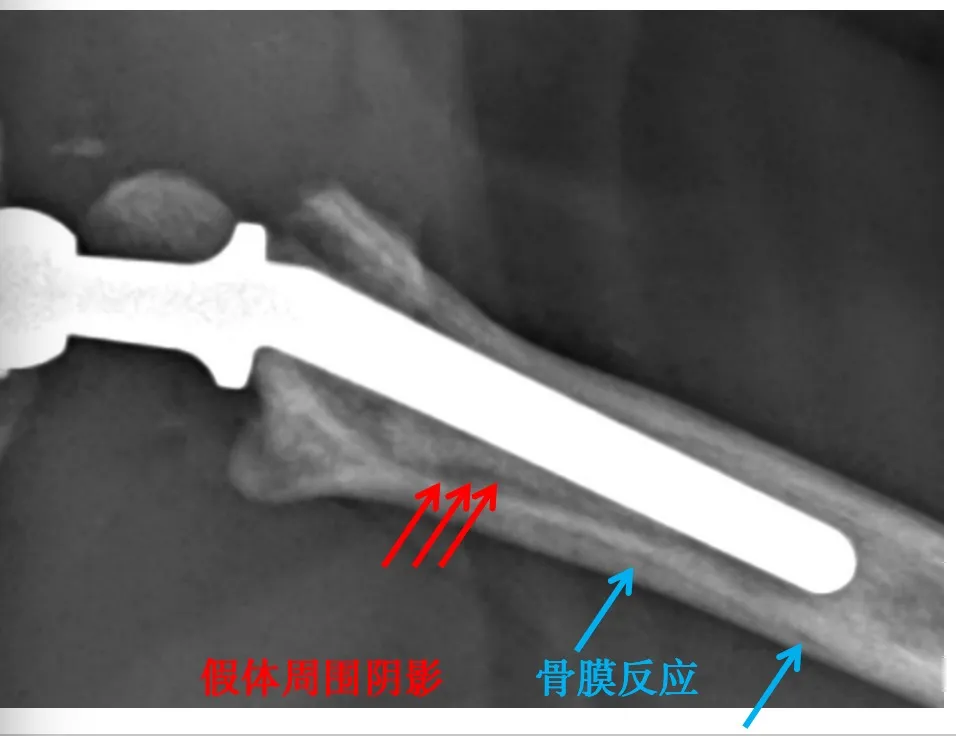
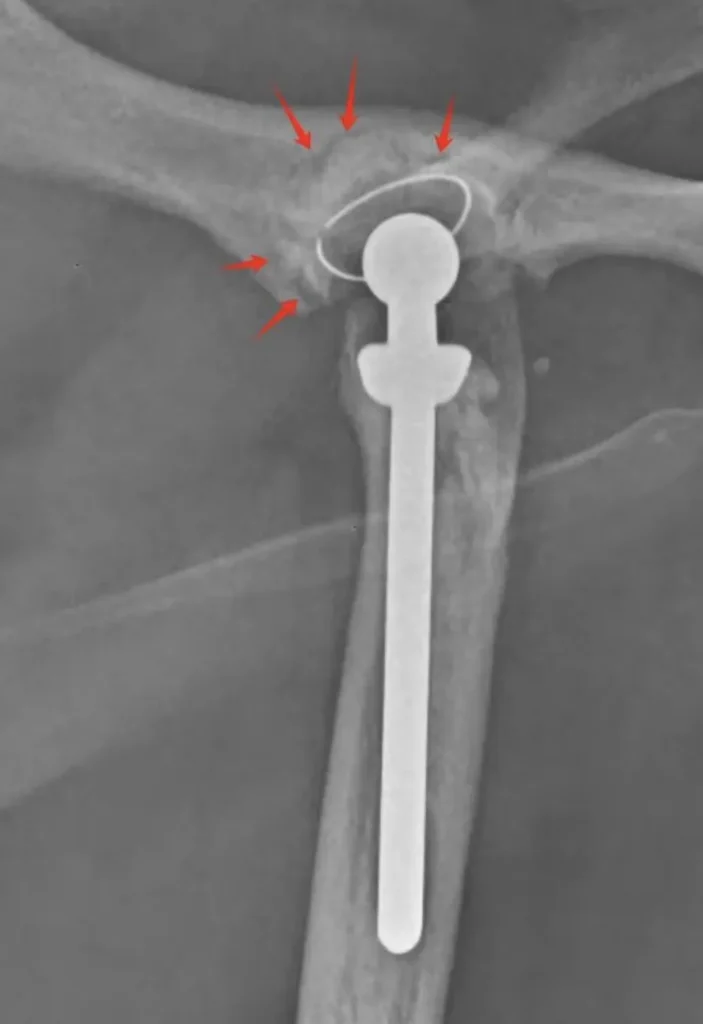
Bone cement generates significant heat during polymerization, which can "scorch" the surrounding bone and damage the interface. Over time, this interface—often only 0.5–2mm thick—is prone to loosening. In my early career, I performed many surgeries using imported cemented systems, only to find in follow-ups that some cases developed radiolucent lines and periosteal reactions years later, eventually requiring complex revisions.
3. Why Small Animals Need the "Biological" Option More
3.1 Longer Lifespans and Higher Activity Levels
Compared to large dogs, small dogs and cats often have longer average lifespans and incredible activity levels. This means their implants must withstand the test of time for many more years. With bone cement, the repetitive stress over a decade of high-frequency activity makes loosening almost inevitable.
3.2 Range of Motion and Dislocation Concerns
Traditional cemented implants are usually restricted to fixed liners, which limits the joint's range of motion (ROM). For cats and small dogs that love to jump and climb, this increases the risk of dislocation. Conversely, biological systems can utilize dual-mobility technology, which uses a smaller ball head to reduce wear while achieving a much larger ROM and jump-safe distance.
4. The "Sour Grapes" Mentality Regarding 3D Printing
4.1 The Debate Between Strength and Process
Some manufacturers who have not mastered biological technology spread rumors that 3D-printed femoral stems are prone to breaking if they are too thin. While this might have held a grain of truth several years ago when domestic technology was nascent, today it sounds more like "sour grapes."
4.2 Validation Through Data and Trends
With innovations in processing, the strength of current 3D-printed implants has fully passed rigorous third-party laboratory testing. In fact, even the top U.S. suppliers began the path of miniaturizing biological implants years ago, replacing their old cemented products with 3D-printed ones. In my clinical practice, since 2019, I have virtually abandoned bone cement except in extremely rare circumstances.
5. Conclusion: No Perfect Solution, Only Constant Mastery
5.1 Choosing the Technical Path
While no single type of hip implant is absolutely perfect, as surgeons, we must choose the path that is more scientific and responsible toward life among the various materials and methods available. In hundreds of surgeries over the last five years, I have maintained a ratio of biological to cemented products at approximately 100:1. This is my answer to the challenge.