
1. Technical Background and R&D Significance
1.1 Development of the Biological Dual-Mobility System
The Vetmaster biological dual-mobility TKA system resulted from a collaborative research effort led by Mr. Ye Cundong, alongside Dr. Wu Zhongheng, Dr. Hu Xinghai, and Prof. Zhang Jun. Under the guidance of Professor Li Shoujun’s team at South China Agricultural University, this project filled a critical gap in domestic veterinary orthopedics. The clinical application of dual-mobility biological knee prostheses represents a globally competitive technical advancement.
2 Case Presentation and Initial Diagnosis
2.1 Patient Profile
The patient was a 6-year-old male Doberman Pinscher weighing 41 kg. The dog had a history of recurrent lameness and knee swelling, which had become increasingly frequent and severe despite conservative management.
2.2 Physical and Radiographic Evaluation
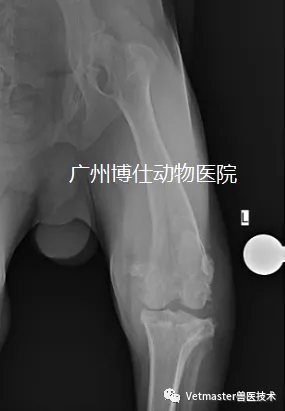
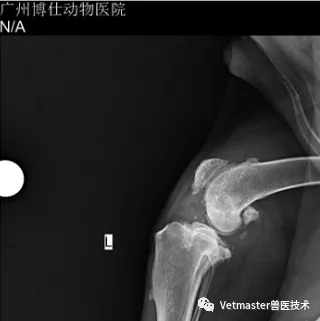
Preoperative radiographs revealed extremely severe degenerative joint disease characterized by massive osteophyte formation and peri-patellar involvement. Clinical evaluation confirmed that the lameness originated from end-stage osteoarthritis, and TKA was recommended.
3. Digital Planning and Surgical Strategy
3.1 Simulated Planning via VVV Software
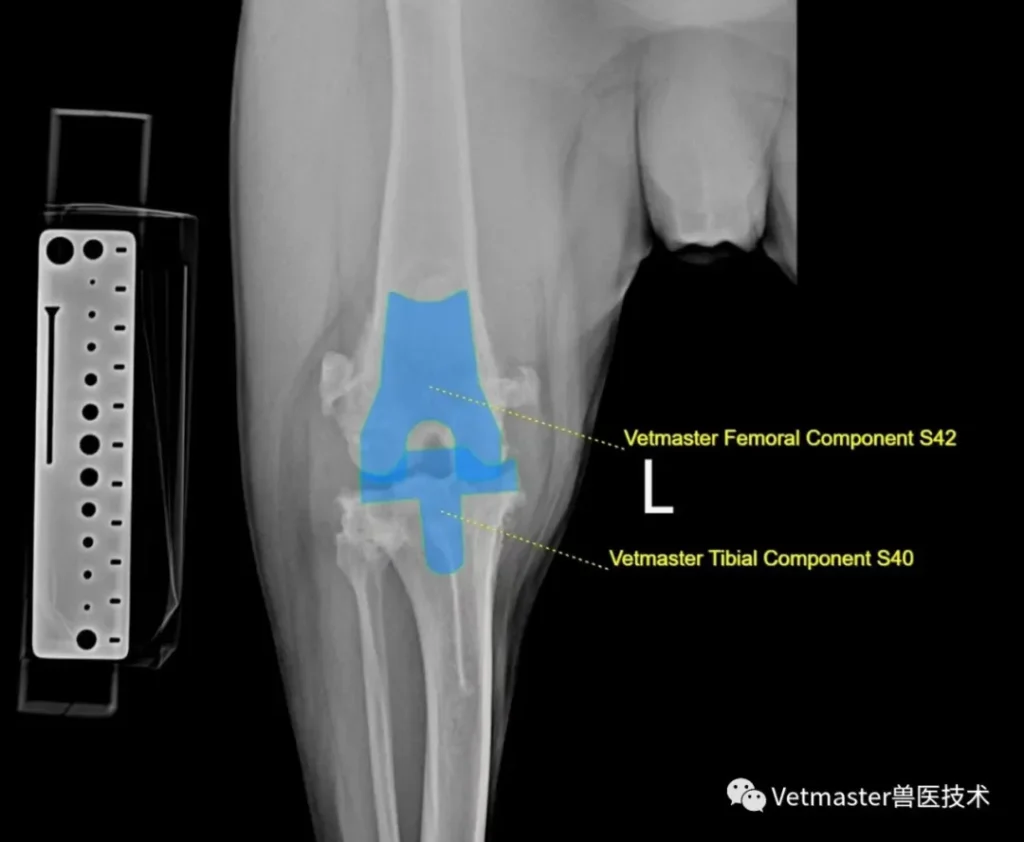
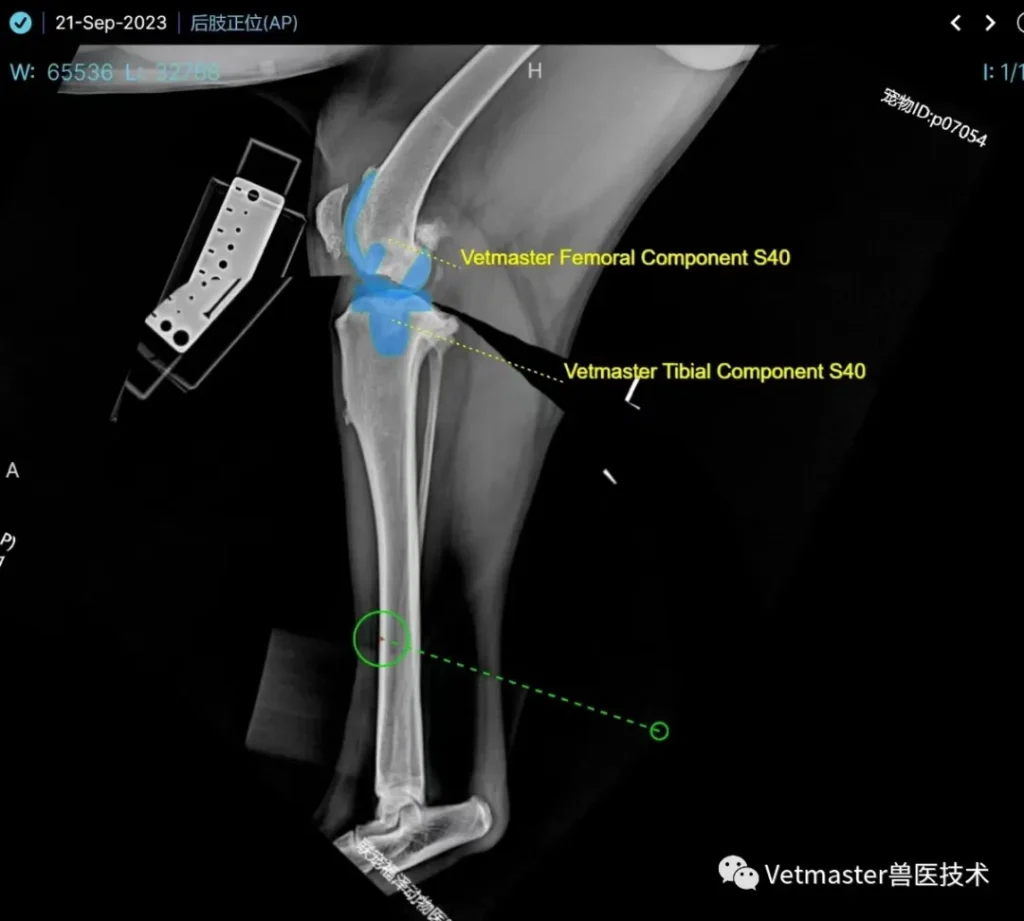
The surgical team utilized specialized VVV software to analyze radiographic data. Following meticulous measurement, a size 40 implant was selected. Given the extent of hyperplasia, it was anticipated that thickened joint capsules and soft tissue contractures would significantly complicate surgical exposure and joint space distraction.
4. Surgical Implementation and Intraoperative Pathology
4.1 Intra-articular Observations
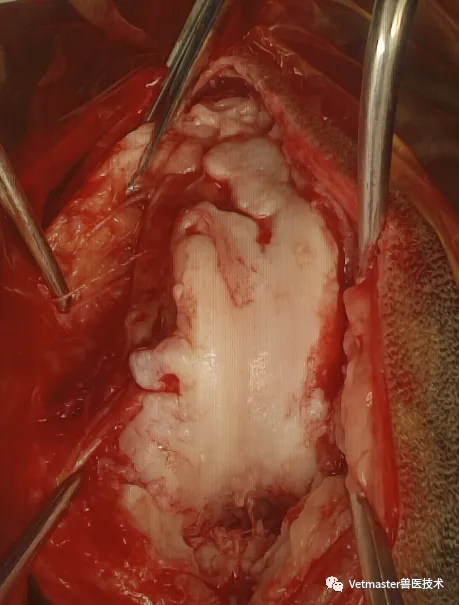
Upon opening the joint capsule, massive bone hyperplasia and articular wear were evident, with the normal trochlear architecture largely obliterated. A ruptured cranial cruciate ligament was also confirmed. In such cases, TPLO or isolated trochlear groove replacement is insufficient; TKA remains the optimal terminal treatment.
4.2 Prosthetic Implantation
Despite the challenges posed by extreme soft tissue tension, the team achieved precise bone cuts and prosthetic placement. Both the femoral condyle and tibial plateau components reached ideal anatomical positioning.
5. Postoperative Assessment and Clinical Reflections
5.1 Radiographic Feedback
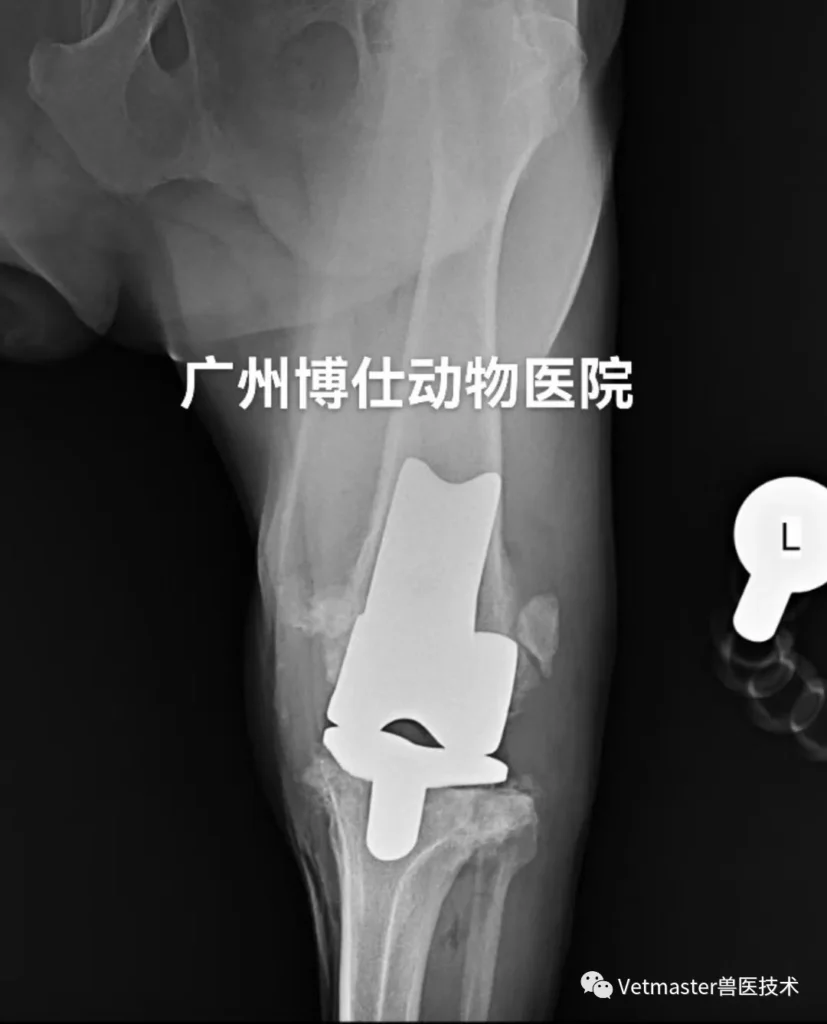
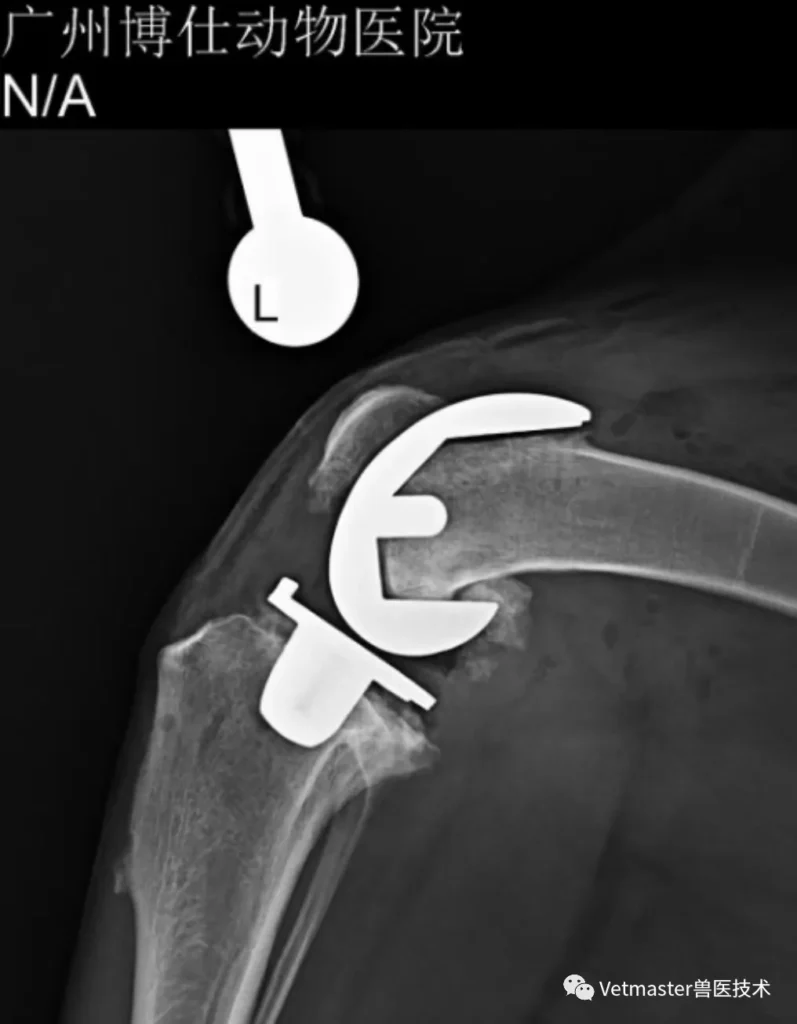
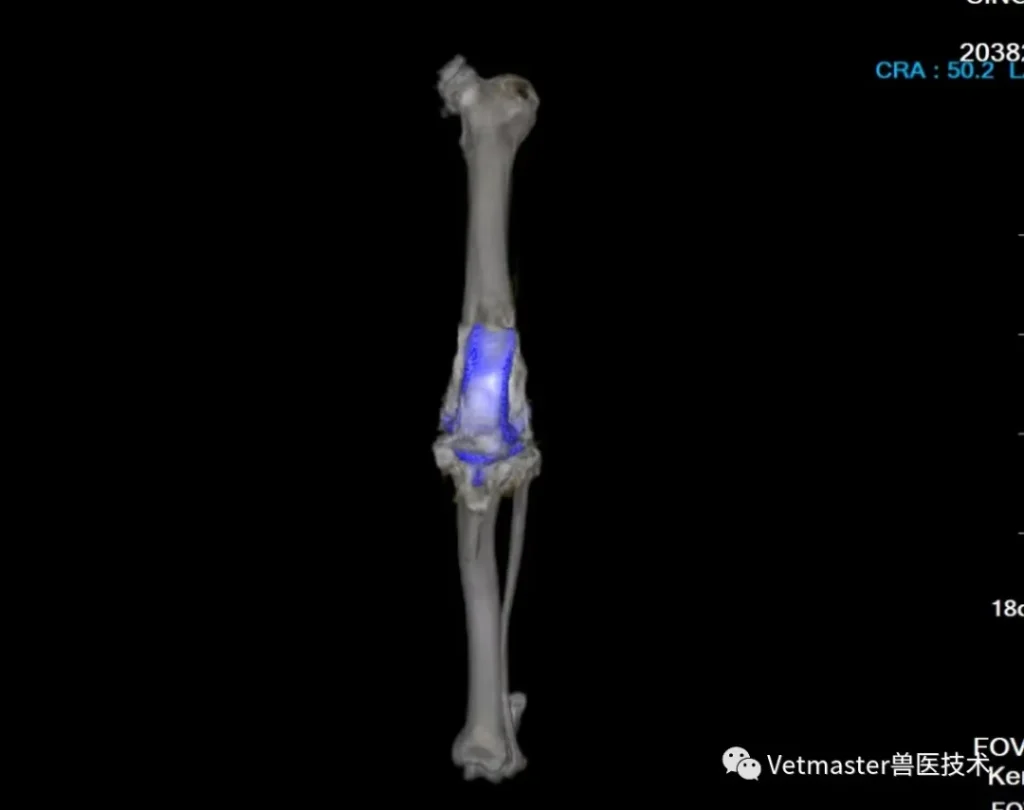
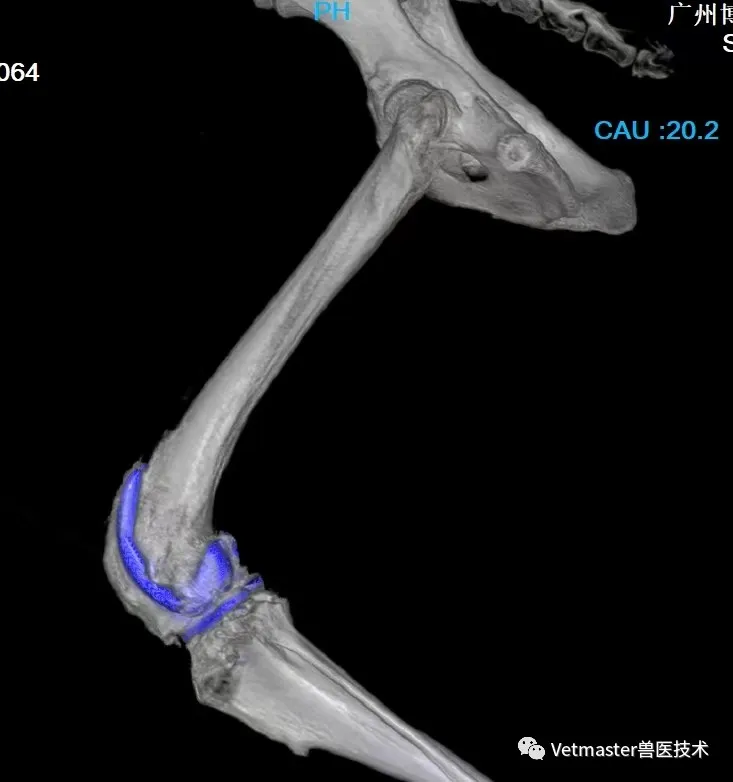
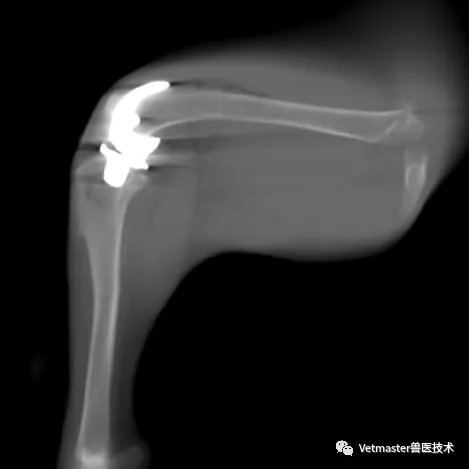
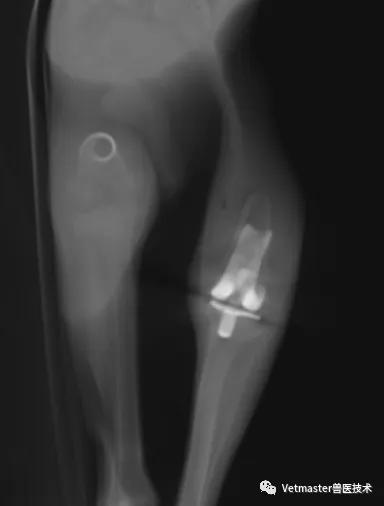
Postoperative X-rays showed excellent component matching, with the tibial plateau slope maintained at an ideal 12 degrees. Subsequent CT imaging further confirmed the high-precision integration between the implants and the native bone.
5.2 Outlook on Future Technology
Operating on severe knee osteoarthritis is technically demanding and tests the limits of a surgeon’s expertise. The commercialization of the Vetmaster system marks a significant stride for Chinese veterinary medicine. Although few practitioners currently master this technique, its efficacy offers a transformative recovery prospect for animals suffering from chronic joint pain.