
1. Case Presentation
1.1 Patient Profile
Corgi, male, 1 year old, 14kg.
1.2 Chief Complaint & Clinical Examination
The patient exhibited severe waist swaying (wiggling) during ambulation. Imaging confirmed severe bilateral hip laxity. Due to pronounced clinical symptoms, the owner elected for THR.
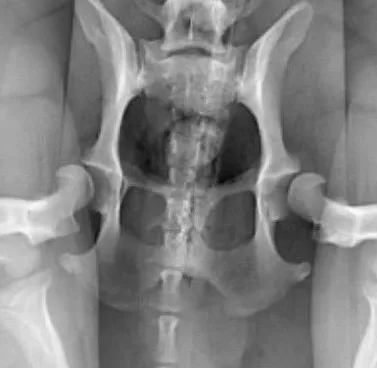
1.3 Anatomical Challenges
The Corgi breed presents unique skeletal structures, characterized by thick subcutaneous fat and a relatively larger medullary cavity compared to other breeds, requiring high precision in prosthesis positioning.
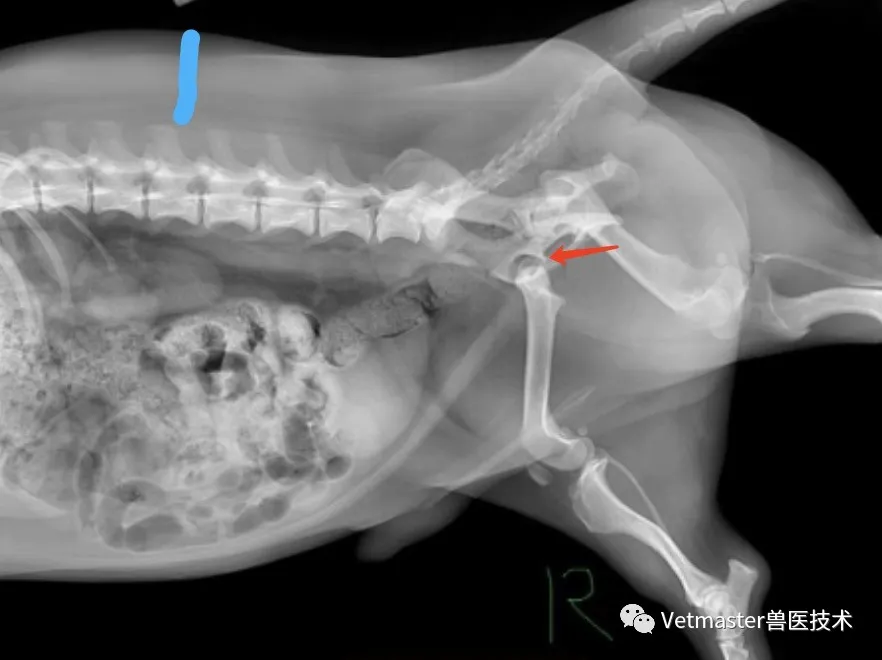
2. Stage 1: Left Total Hip Replacement
The medical team first addressed the left side, where symptoms were more clinically evident.
2.1 Surgical Difficulties
Extremely thick subcutaneous fat layers limited the operative field and space for the surgical approach.
2.2 Postoperative Assessment
2.2.1 Prosthesis Alignment
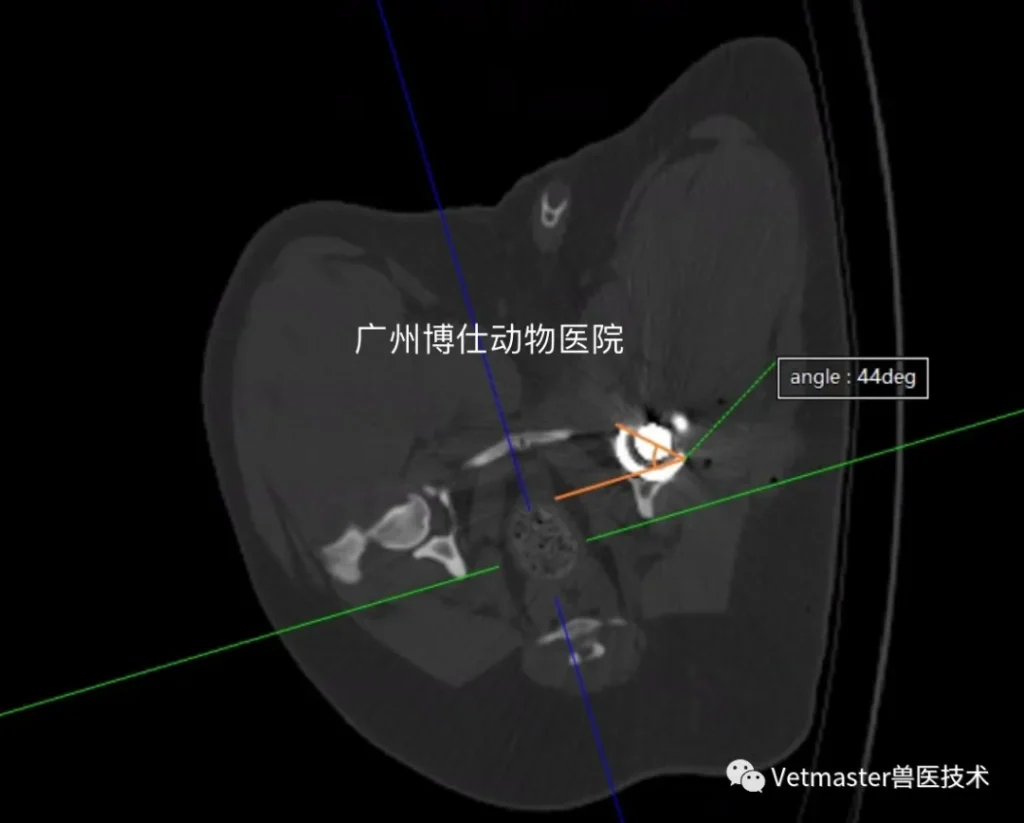
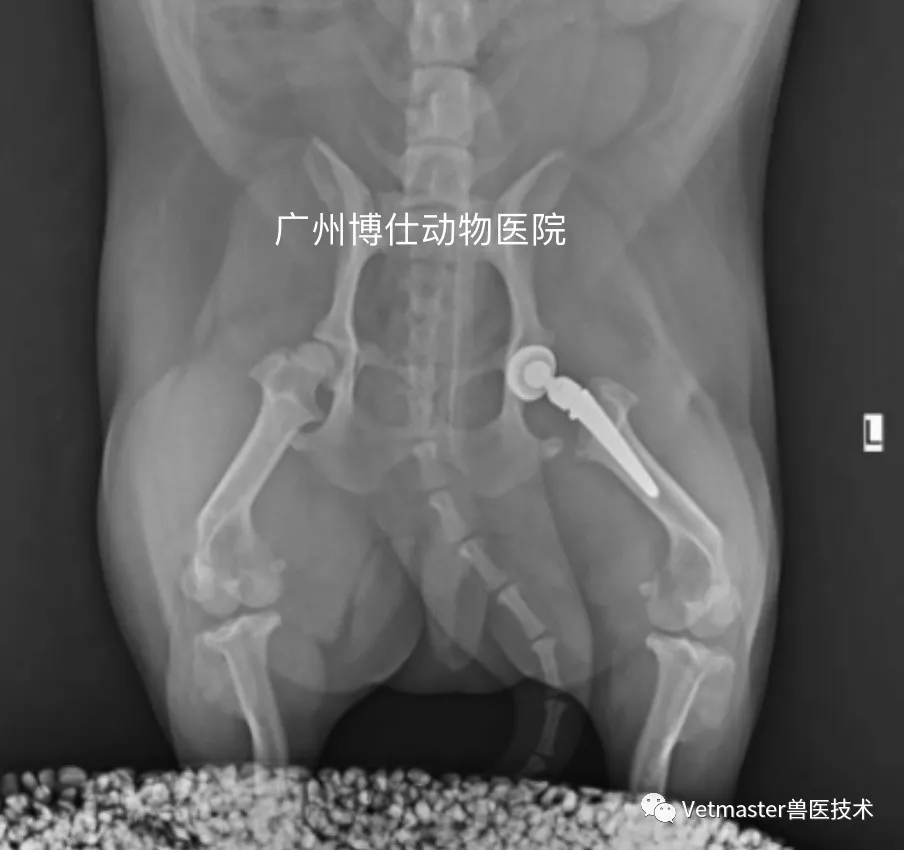
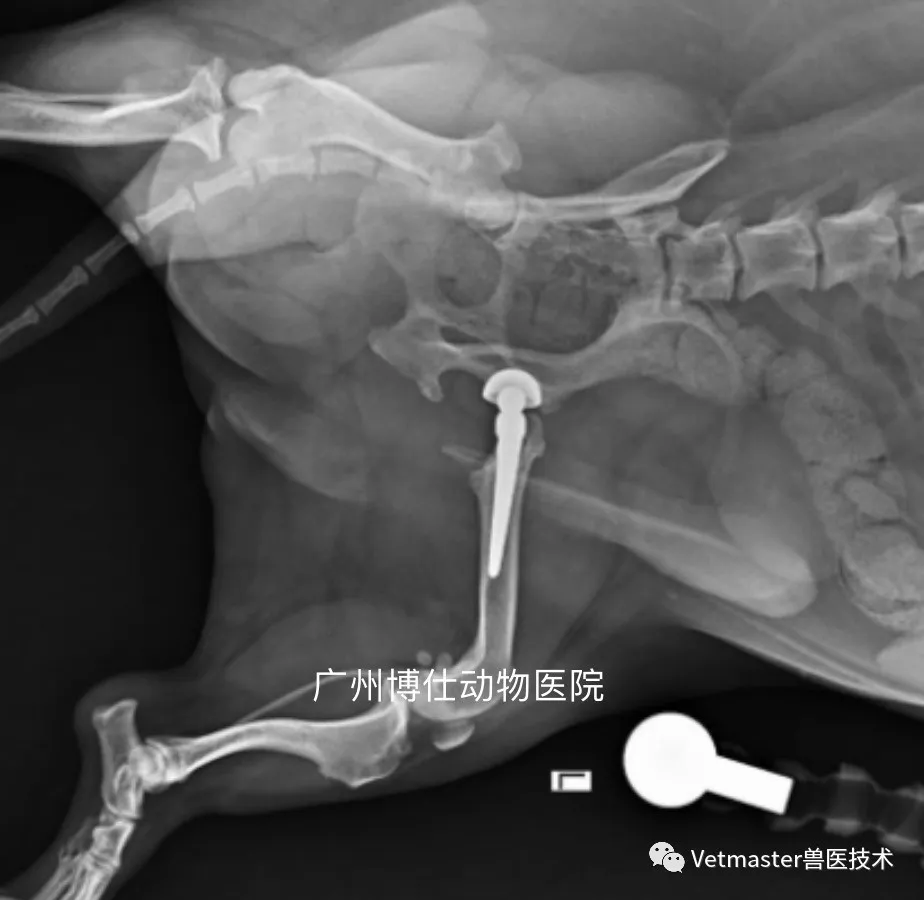
Post-op CT showed an acetabular cup abduction angle of 44°. The anteversion angle was in perfect alignment with physiological standards.
2.2.2 Stem Positioning
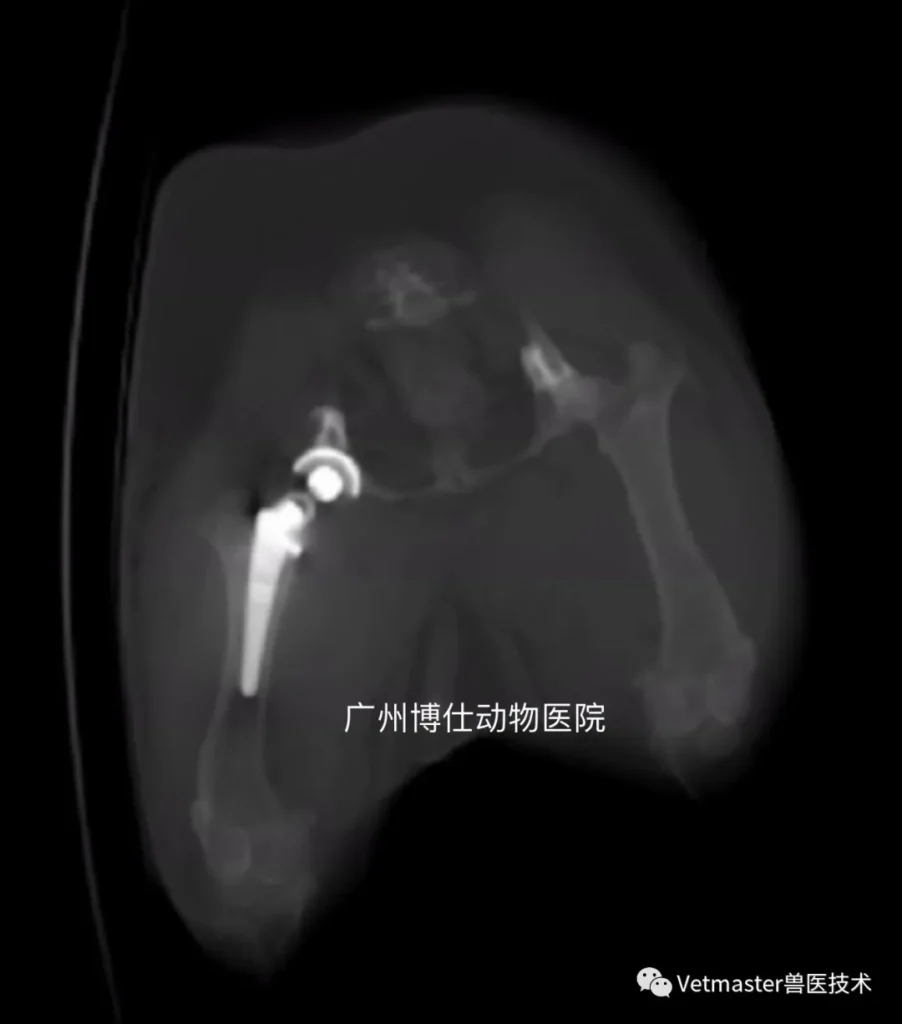
Excellent femoral stem centralization was achieved. The implant size was appropriate for the specific medullary characteristics of the breed.
2.3 Short-tem Outcome
Follow-up at one month post-op revealed ideal gait recovery and stable implants.
3. Stage 2: Right Total Hip Replacement
Following the successful recovery and improved mobility of the left side, the right THR was performed approximately one month later at the owner's request.
3.1 Symmetry Assessment
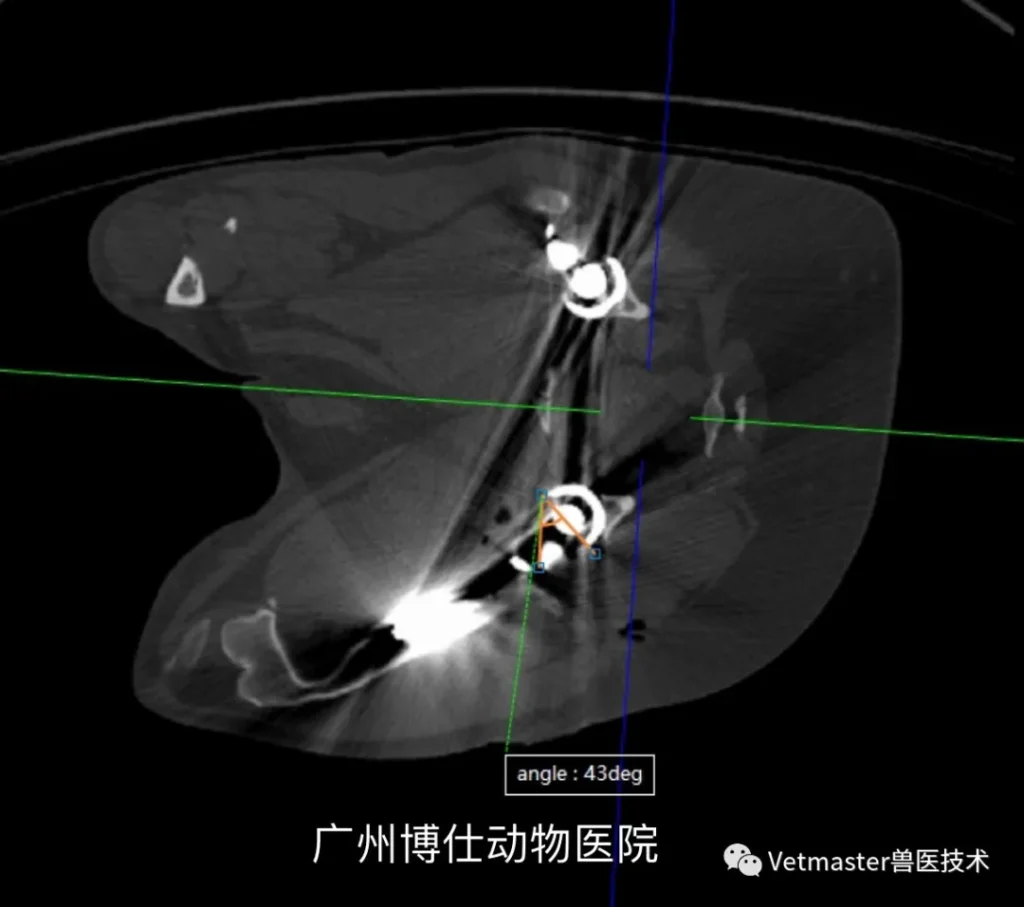
3.1.1 The abduction angle of the right acetabular cup was 43°, maintaining high symmetry with the left side (44°).
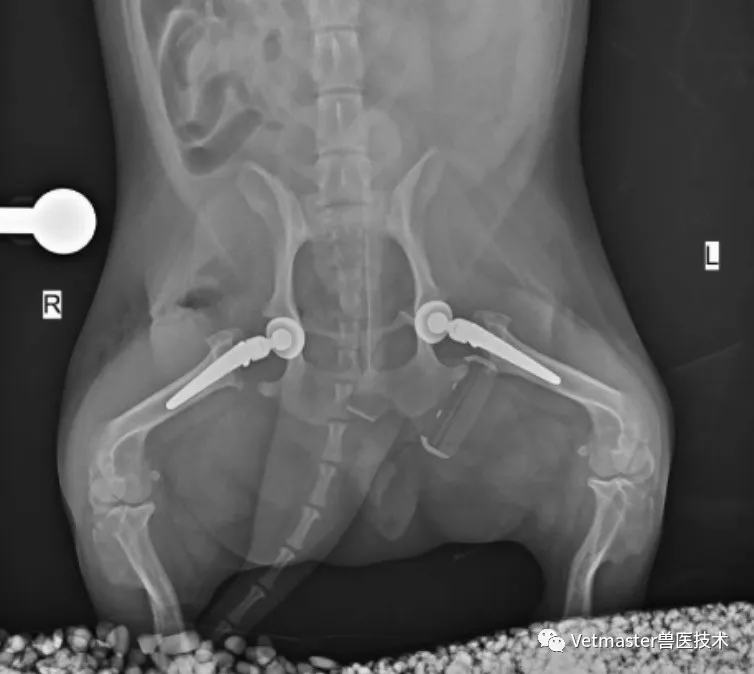
3.1.2 Post-op imaging demonstrated balanced implant distribution, with nearly perfect depth and angulation of the femoral stems on both sides.
3.2 Postoperative Follow-up
Final evaluations showed that the abnormal waist swaying had significantly disappeared. Both artificial joints functioned perfectly, restoring a normal gait.
4. Conclusion
Corgis require meticulous planning for THR due to their predisposition to obesity and unique bone morphology. This case demonstrates that staged bilateral replacement can successfully resolve chronic mobility issues and achieve functional and mechanical symmetry in complex patients.
Note: This case was performed by the team of Dr. Wu Zhongheng at Guangzhou Boshi Animal Hospital.