
1. Breed Characteristics and Anatomical Challenges
1.1 Pathological Predispositions of French Bulldogs
French Bulldogs are a specifically bred group with high incidences of spinal and hip joint diseases. The breed commonly exhibits varying degrees of spinal malformations, including butterfly vertebrae, transitional vertebrae, and altered physiological spinal curves. Furthermore, due to the pursuit of specific aesthetic traits, they are highly prone to Brachycephalic Airway Obstructive Syndrome (BAOS), characterized by severe respiratory distress and cyanosis. These "cute" traits are, in reality, a series of anatomical defects resulting from human selective breeding.
2. Case Presentation and Initial Assessment
2.1 Chief Complaint and Physical Examination
The patient, a French Bulldog, was presented by the owner for "hind limb weakness." In a preliminary diagnosis at an outside clinic, the dog was thought to have hip problems. However, during neurological examination at Guangzhou Boshi Animal Hospital, the medical team observed significant loss of proprioception, paralysis, and paraparesis, particularly in the left hind limb. While conservative management provided temporary relief, the increasing frequency of episodes necessitated advanced diagnostics.
3. Diagnostic Imaging Analysis
3.1 Spinal CT Findings
High-resolution CT scanning revealed intervertebral disc protrusion between the 13th thoracic and 1st lumbar vertebrae (T13-L1), with spinal cord compression reaching 30-40%. This was identified as the direct cause of the clinical paraparesis. Additionally, the CT captured malformations of the 4th and 8th thoracic vertebrae, manifesting as distinct hemivertebrae and abnormal spinal curvature.
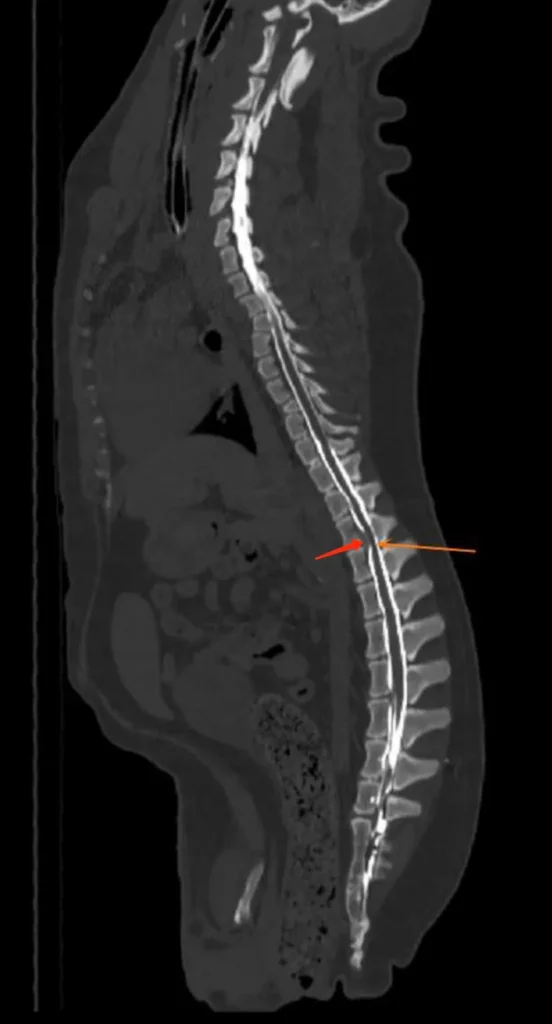
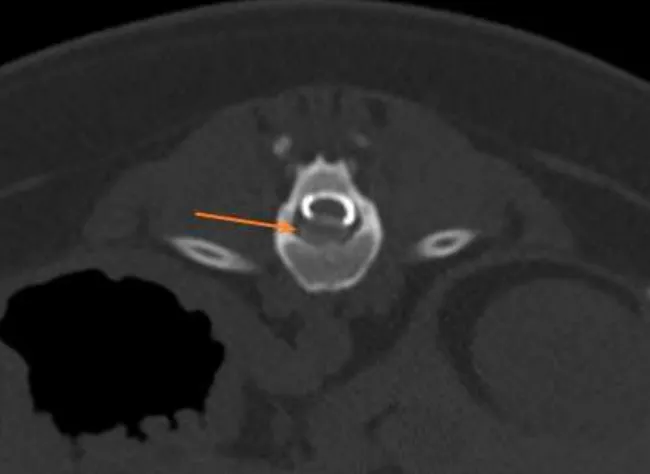
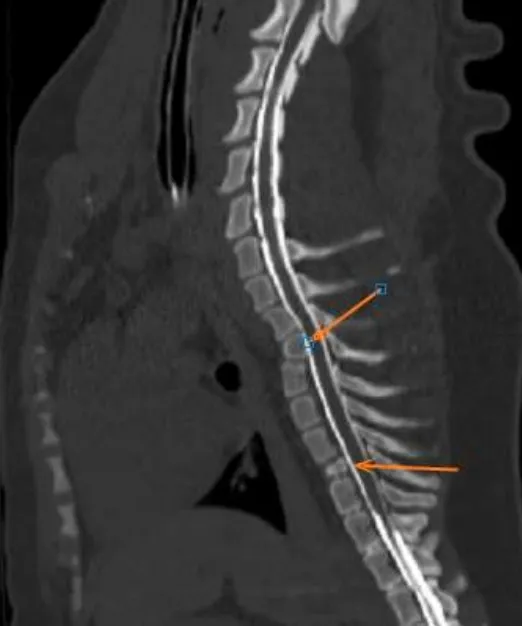
3.2 Differential Diagnosis of Multi-Joint Complications
Imaging confirmed that the dog did indeed suffer from hip dysplasia, characterized by insufficient acetabular coverage of the femoral heads along with mild joint hyperplasia and wear. However, based on the clinical signs, the hip pathology was determined not to be the primary cause of the current acute paralysis.
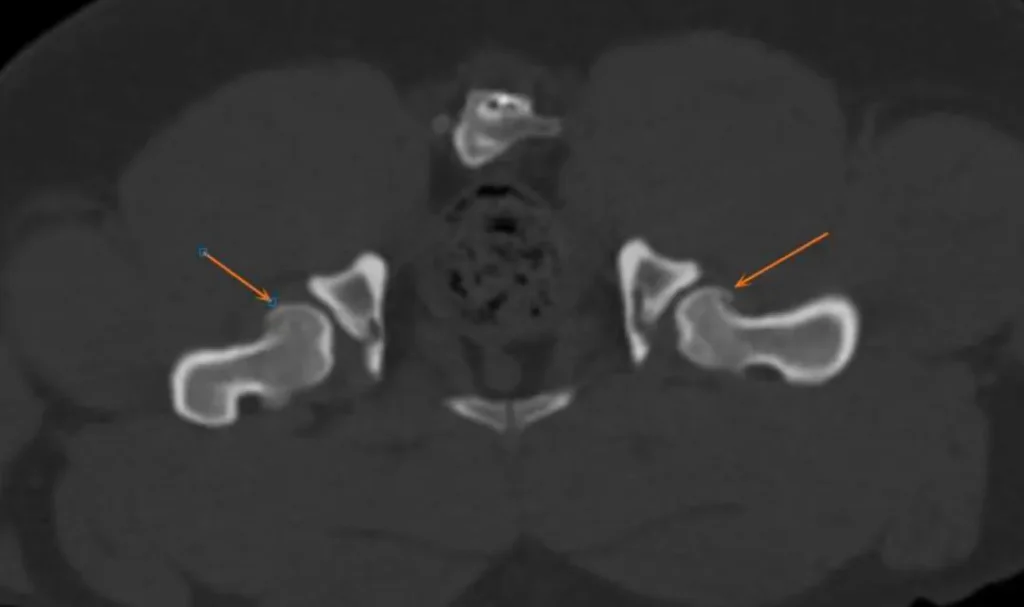
4. Surgical Implementation and Functional Recovery
4.1 Hemilaminectomy Procedure
To address the confirmed site of neurological compression, the surgical team performed a hemilaminectomy. The procedure aimed to relieve the physical pressure on the spinal cord caused by the disc material, creating space for neurological recovery.
4.2 Postoperative Efficacy and Outcome
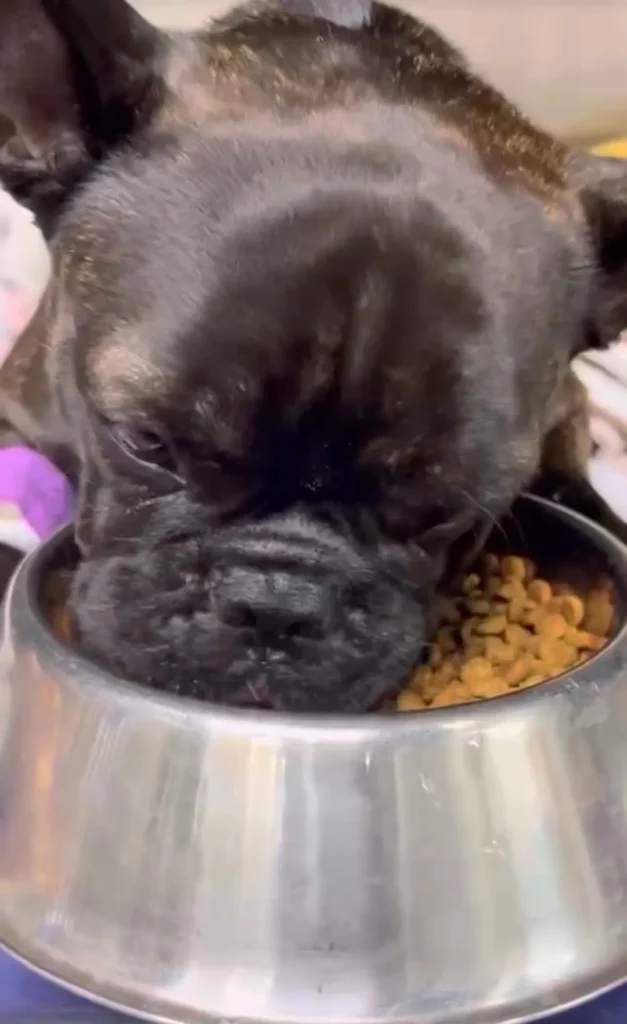
The surgery proceeded successfully. In the early recovery phase, the patient showed strong vitality and a vigorous appetite. Follow-up evaluations confirmed that the surgery successfully improved the animal's locomotive state and overall quality of life.
5. Clinical Reflections and Insights
5.1 Identifying the Essence Through Symptoms
In clinical practice, one must not be misled by surface symptoms. Although this dog had clear hip issues, treating the hips alone would have failed to resolve the core issue of paralysis. Rigorous differential diagnosis is essential to isolate the true pathology among complex anatomical deformities.
5.2 Ecological Reflections on Selective Breeding
Many physical traits of French Bulldogs are deemed "cute" by humans, but from a veterinary perspective, the anatomical price of these features is heavy. Whether it is respiratory strain or a fragile spine and hips, these are the consequences of human selection imposed upon the animal. As veterinary professionals, while we work to alleviate their suffering, we must also advocate for a deeper understanding of breed welfare.