
1. Case Presentation
1.1 Patient Profile
The patient is a 4-year-old Pomeranian weighing 5.5 kg. The primary complaint from the owner was significant lameness in the left hind limb, which had become increasingly apparent recently.
1.2 Clinical Examination
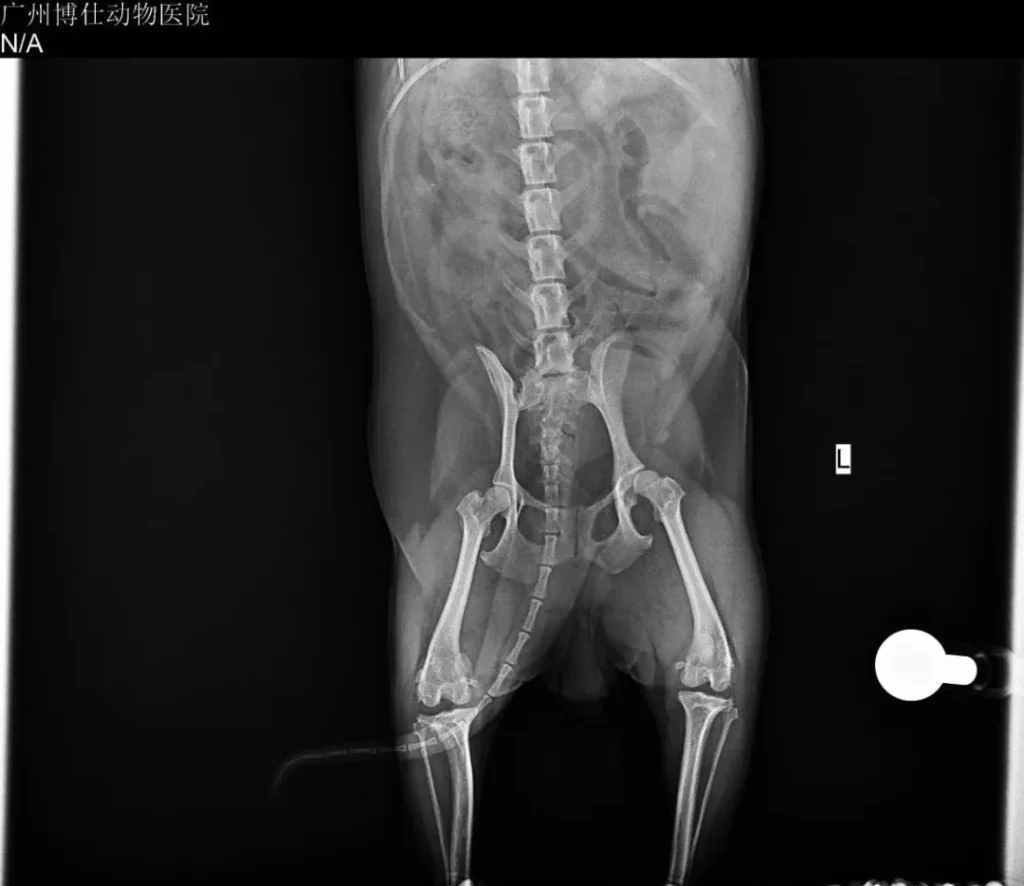
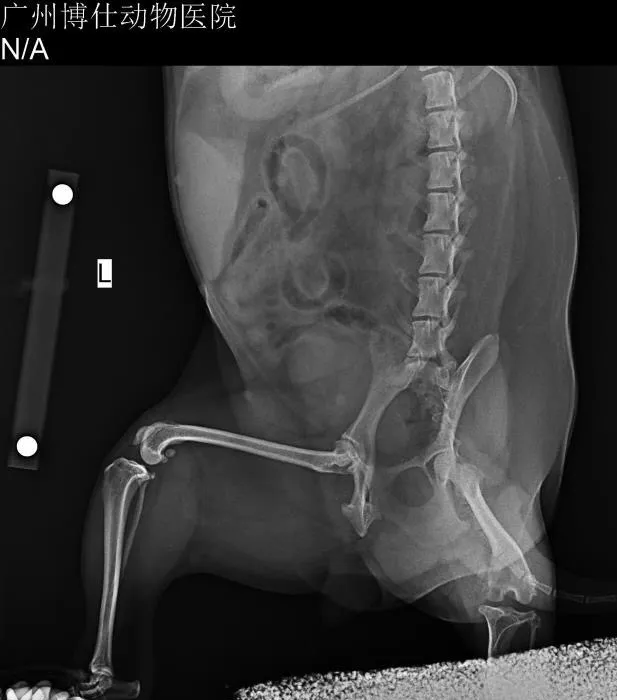
Physical palpation confirmed Grade 3 medial patellar luxation in the left limb. During the examination, distinct articular crepitus was palpable and audible during joint manipulation, indicating significant pathological changes within the internal joint structures.
2. Radiographic Evaluation and Treatment Selection
2.1 Radiographic Feature Analysis
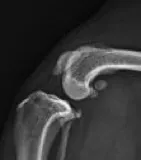
Radiographic findings showed complete luxation of the left patella. Detailed inspection of the trochlear groove revealed prominent wear and severe articular hyperplasia. these signs confirmed the extent of destruction caused by chronic, long-term luxation to the articular cartilage.
2.2 Surgical Options
Two surgical options were considered. The first was conventional trochlear deepening combined with tibial tuberosity transposition. while this would achieve patellar reduction, persistent osteoarthritic pain would be inevitable due to the pre-existing severe wear and sclerosis of the cartilage. The second option was Patellar Groove Replacement (PGR), using a smooth metal prosthesis to replace the damaged trochlear surface.
3. Surgical Procedure
3.1 Prosthesis Selection and Implantation
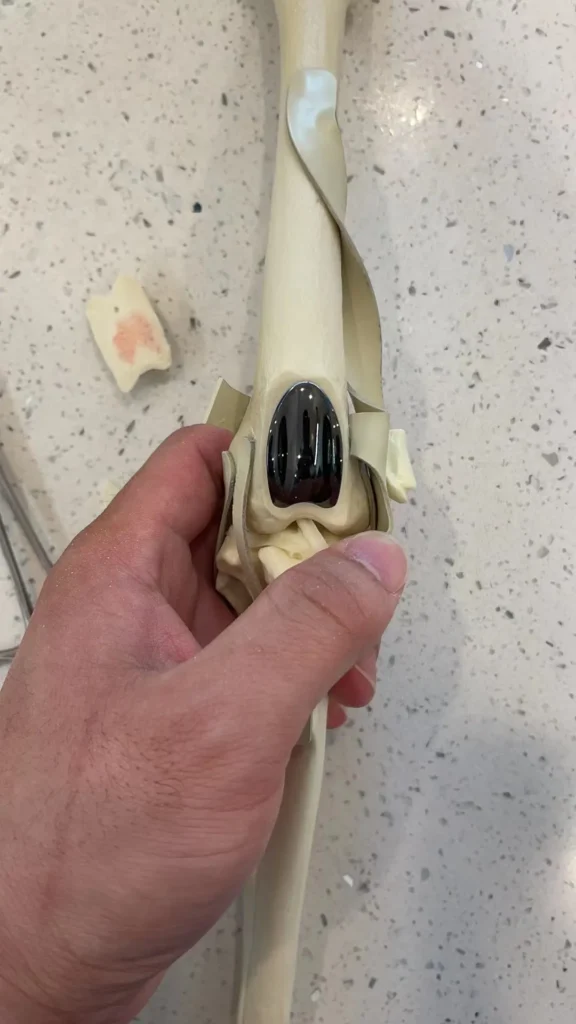
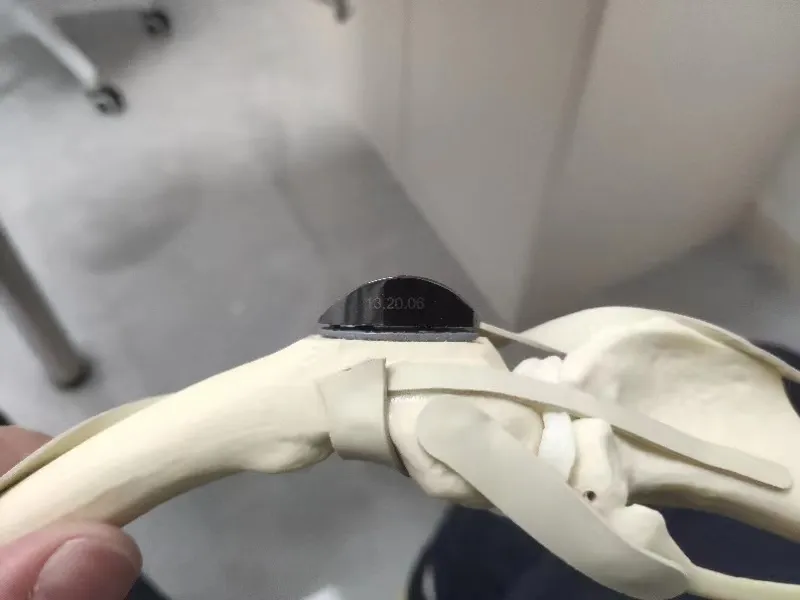
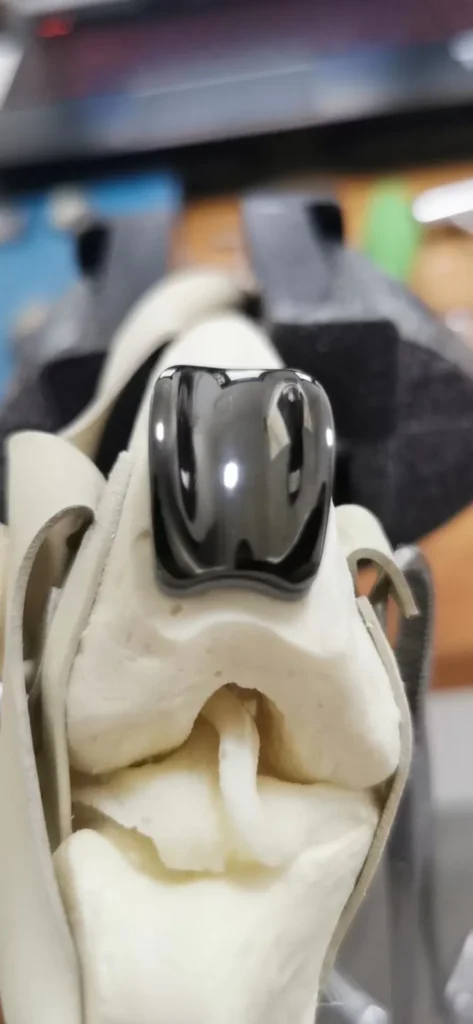
The owner elected for the Swiss-made KYON PGR system. Following precise preoperative measurements, the medical team utilized a size 2 PGR prosthesis for the replacement.
3.2 Postoperative Assessment
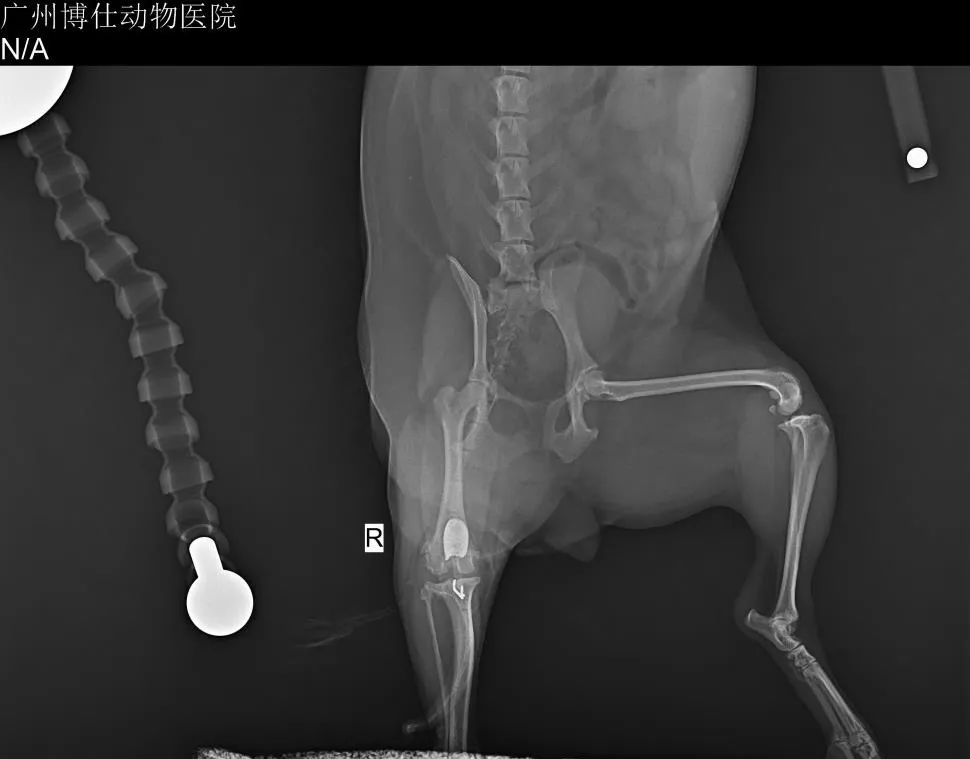
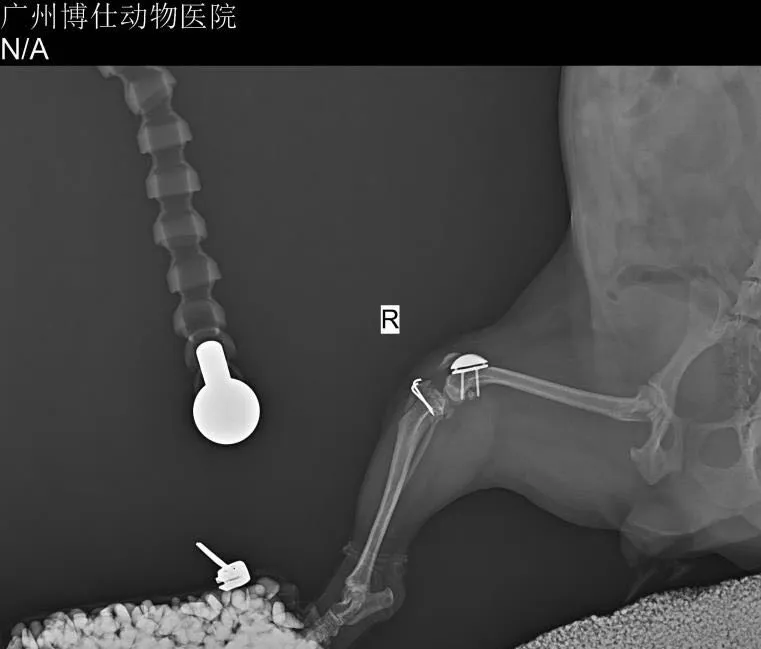
The surgery proceeded smoothly, with the prosthesis precisely anchored in the damaged trochlear groove. Post-op radiographs confirmed ideal implant positioning, and the patella was observed to track smoothly over the metal prosthesis, resolving the friction and pain caused by cartilage loss.
4. Clinical Reflections and Conclusion
4.1 The Irreversibility of Chronic Wear
Due to the Grade 3 status and the long duration of unsuccessful conservative management, the physical wear caused by repeated luxation exceeded what medication could address. This led to irreversible issues including trochlear erosion and severe pathological hyperplasia.
4.2 The Importance of Early Diagnosis and Treatment
I consistently advocate for early diagnosis and immediate surgical treatment of patellar luxation. Timely intervention effectively prevents cartilage wear from progressing into further irreversible pathology. delaying treatment only leads to higher medical costs for solutions that are still secondary to the original healthy state. While a metal prosthesis is far superior to a worn, painful joint, it must be understood that native, viable, and healthy cartilage is always superior to any metal substitute.
4.3 Indications for PGR Surgery
PGR surgery is primarily indicated for patellar luxation cases accompanied by significant trochlear osteoarthritis. This type of osteoarthritis is common but often overlooked in clinical practice. Through PGR, we can provide animals suffering from chronic joint pain with a significantly improved quality of life.